





If you want to know how to store produce, start with one fact: the food is still alive after harvest. It keeps breathing and aging.
A strawberry does not stop changing when it leaves the field. Spinach still loses water, and a mushroom still releases moisture after harvest.
I learned this across more than 40 years in kitchens. I trained at The Broadmoor, The Greenbrier, and La Tante Claire in London.
The goal is not to stop time. It is to slow the biology enough to protect flavor, texture, and value.
How to Store Produce Starts With One Fact: It Is Still Alive
Fresh produce keeps respiring after harvest. It uses stored sugars and oxygen, then gives off heat, water, and carbon dioxide.
That process is one reason produce shelf life keeps shrinking before you shop. Harvest, packing, shipping, and storage all use time.
One storage rule never works for every item. A potato, a cucumber, and a box of berries have different needs.
The USDA says produce needs different temperatures, humidity levels, and storage zones, including colder back areas and warmer door zones. Its fresh produce storage guide maps those areas.
If you want the best ways to store fruits and vegetables, think like a produce manager. Control temperature, humidity, airflow, and neighbors.
Wet Is Not Fresh: Humidity Is the Goal
Leafy greens can love high humidity and still hate standing water. Those two ideas sound opposite, but they are not.
Humidity slows water loss from spinach and lettuce. Free water on leaves creates a different problem because wet surfaces spoil faster.
Here is the move. Keep greens cold, keep the air humid, and remove pooled water before the bag or container goes back in the fridge.
How long spinach lasts is not one fixed number. Age at purchase, temperature, damage, and moisture all change the clock.
That is the food science behind the rule I teach cooks: Wet is not fresh. Humid is fresh.
Mushrooms Need Air, Not Sealed Plastic
Mushrooms tell you quickly when storage goes wrong. Seal them in damp plastic and their surface can turn slick before dinner arrives.
Mushrooms contain a lot of water and keep releasing moisture after harvest. A sealed bag traps that moisture against the cap and stem.
For home storage, I prefer a paper bag or breathable paper wrap. Paper can absorb excess moisture while still letting the mushrooms breathe.
Wait to wash them until cooking time. The shelf life of mushrooms depends on age and handling, but trapped moisture is rarely your friend.
This is a good example of how to store produce by behavior, not by category. Mushrooms need cold storage, but they also need airflow.
How to Store Strawberries Without Speeding Up Spoilage
A berry tray can look perfect on Saturday. By Wednesday, trapped moisture can help turn a small problem into visible mold.
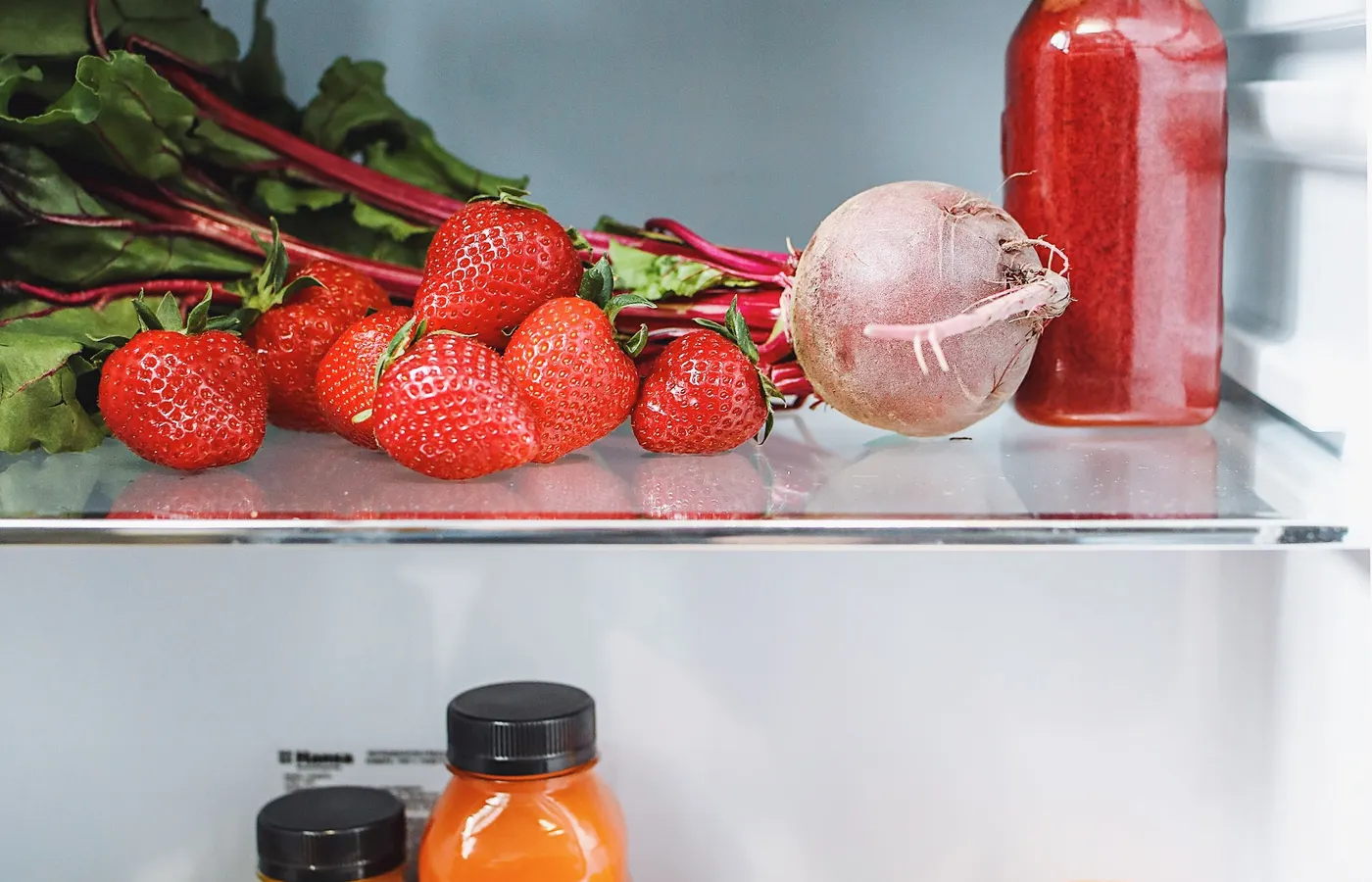
If you are learning how to store strawberries, keep them cold and dry. Wash only what you plan to eat.
Do not wash the whole container just because you bought it, since added moisture can shorten the storage window. Dry the portion gently after rinsing. Remove any crushed or moldy berry before it damages nearby fruit.
The USDA also lists strawberries among the produce that needs refrigeration at home. Cold storage protects both quality and food safety.
I do not want clean-looking berries on Monday if they become waste by Wednesday. I want berries that still taste like berries when served.
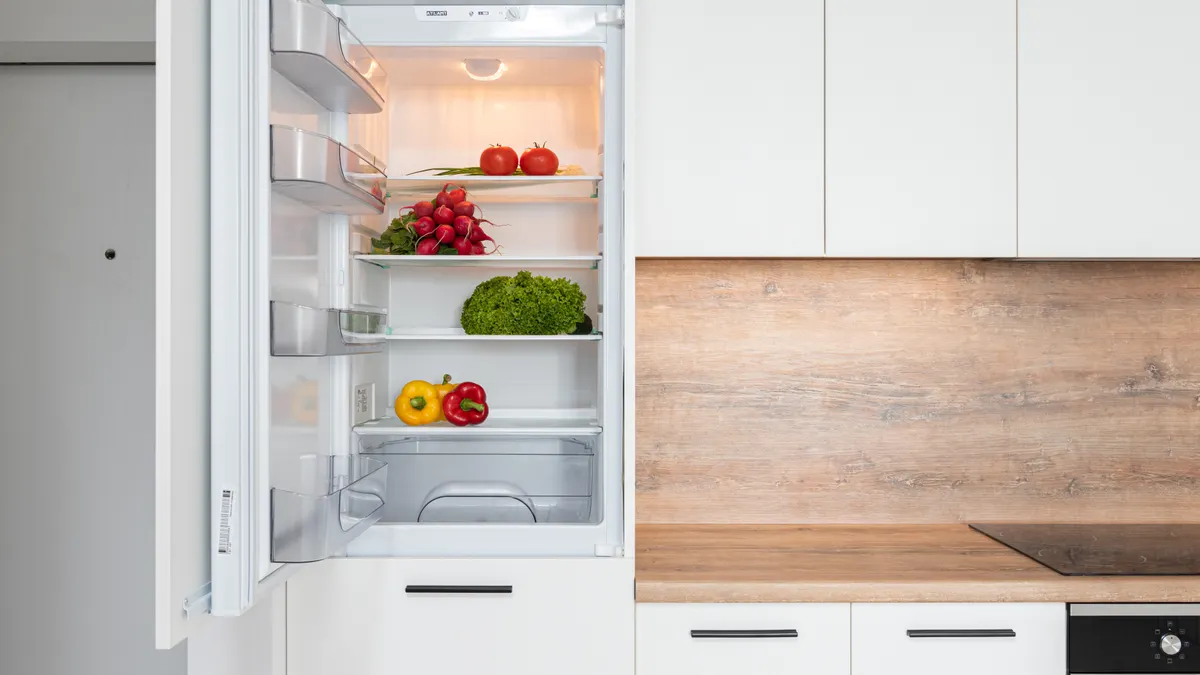
Map Your Refrigerator Instead of Trusting the Dial
I once consulted for a restaurant that could not keep arugula fresh. The walk-in cooler display looked normal, so the problem seemed mysterious.
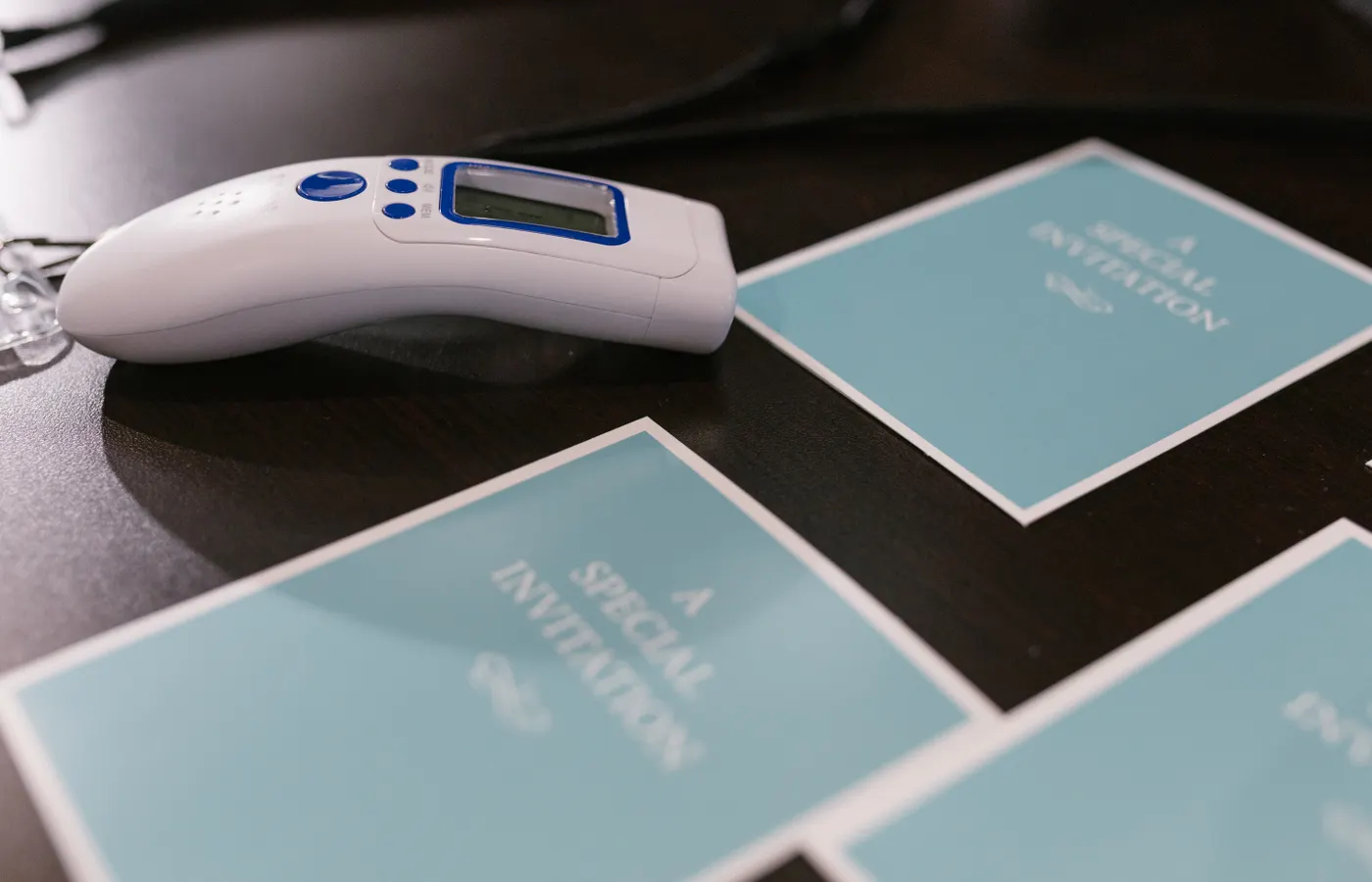
I used an infrared thermometer and mapped the shelves. The arugula zone was close to 50°F, while another shelf was near 38°F.
We moved the greens into the colder airflow. Shelf life improved because we changed the actual environment, not the thermostat setting.
A thermostat tells you the set point. It does not tell you where your produce is actually sitting.
USDA guidance says a refrigerator should stay at 40°F or below for food safety. Its refrigeration and food safety guide also explains crisper humidity.
At home, place a small thermometer in two or three spots for a day. Check the back, the middle shelf, and the door area.
Ethylene Gas Changes Which Foods Belong Together
Ethylene is a natural plant hormone. Some fruits produce more of it as they ripen, while other produce reacts badly to nearby exposure.
Bananas and apples are common ripening examples. Broccoli, cucumbers, and many leafy vegetables can age faster around ethylene.
UC Davis reports that broccoli is highly sensitive to ethylene. Exposure can speed yellowing and cut marketable life. Its ethylene compatibility and storage research tracks these responses across many crops.
The storage lesson is simple. Do not treat a full crisper drawer like one happy family.
| Produce | Storage move | Why it helps |
|---|---|---|
| Apples and ripening bananas | Keep away from sensitive vegetables | They can add ethylene to the storage area |
| Broccoli and leafy greens | Use a separate crisper or shelf | Ethylene can speed yellowing and aging |
| Cucumbers | Keep away from bananas, melons, and tomatoes | UC Davis links exposure with yellowing and decay |
| Mushrooms | Use breathable paper | Airflow helps control surface moisture |
| Strawberries | Keep cold and dry | Moisture and damage speed spoilage |
Your Produce Shelf Life Starts Before You Get Home
A bruised strawberry or wilted bunch of spinach already lost part of its storage potential before it reaches your kitchen. At the store, I look for dry berry containers, firm mushroom caps, crisp greens, and packages without pooled water.
I also check packed-on or harvest dates when a grower or package gives me one. A date gives you context that color alone cannot provide.
Buying too much is another storage mistake. Six perfect avocados still become waste if your household can only eat two before they soften.
Here is the move. Buy for the next few meals, not for an imaginary week when every plan goes exactly right.
Good produce storage starts with selection. The refrigerator cannot restore days that rough handling, heat, or overbuying already took away.
Buying Local Can Give You More Time at Home
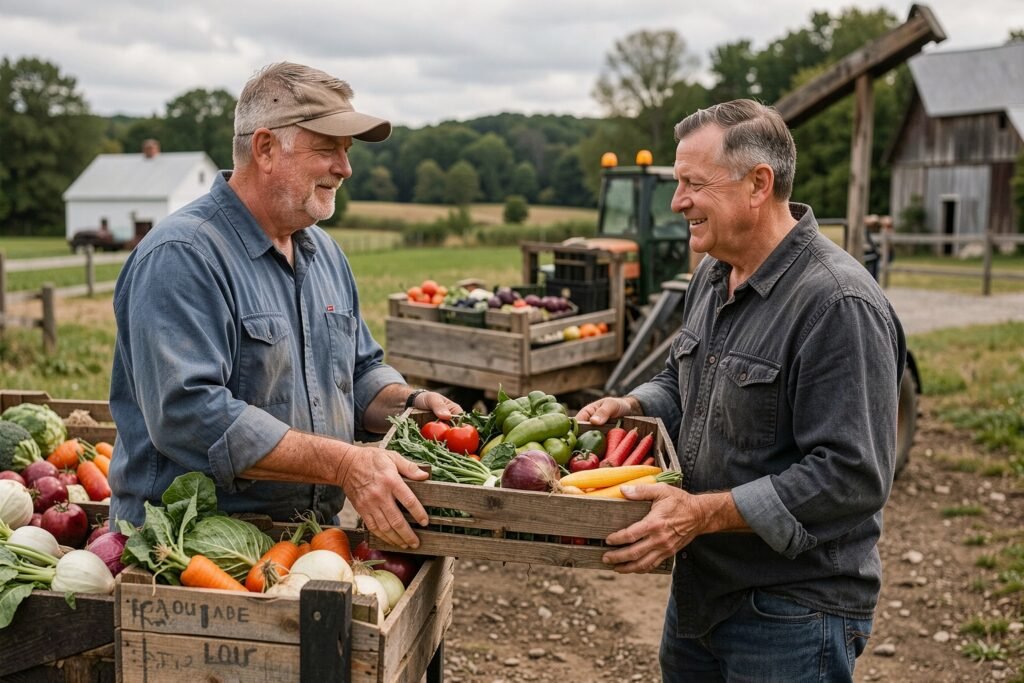
A head of lettuce harvested yesterday and one harvested many days ago do not reach your refrigerator with the same time left. That is one reason I buy from local farms when the season allows it. A shorter chain can mean fewer days in trucks, warehouses, and coolers.
Local does not automatically mean fresher. Ask when it was harvested, look for damage, and buy from growers who can answer basic sourcing questions. I wrote more about that producer-first mindset in my piece on local food sourcing.
That producer-first habit also shapes how I judge restaurants. I wrote more about it in the truth about food influencers.
Buy what you can use, then use the oldest items first. That simple rotation supports food waste reduction without turning dinner into a project.
A Chef’s Produce Storage Cheat Sheet
People often ask, how long does produce last? The honest answer is that shelf life changes with the product and its condition on day one. The shelf life of fruits and vegetables also depends on temperature, humidity, airflow, damage, and ethylene exposure.
Start with these storage moves:
- Keep refrigerator produce at safe cold temperatures, with the coldest stable zones used for delicate greens.
- Use high humidity for leafy vegetables, but remove standing water from spinach, lettuce, and herbs.
- Put mushrooms in breathable paper instead of sealing them in damp plastic.
- Keep berries cold and dry, then wash only what you plan to eat.
- Separate ethylene producers from broccoli, cucumbers, and other sensitive produce.
- Store potatoes and dry onions outside the refrigerator in separate, ventilated areas.
- Rotate older produce forward so it gets cooked before the newest purchase.
These are among the best ways to store fruits and vegetables because they follow biology. They do not depend on a storage gadget.
They also support sustainable kitchen practices. A few minutes of how to store produce thinking can reduce food waste at home and protect grocery money.
Better Storage Is Part of Sustainable Cooking
Kitchen sustainability often gets framed as buying better ingredients. I have written before about what clean eating actually means once you strip away the marketing, and the same principle applies here. Wasting fewer of those ingredients matters far more than chasing labels.
For me, sustainable cooking starts before the pan gets hot. It starts with buying the right amount and protecting the food you already paid for.
I use the same producer-first thinking with wine. My guide to organic wine and wine made with organic grapes explains why labels need context.
Recipes tell you what to do next. Food science tells you why the move works, so you can adapt when the ingredient or refrigerator changes.
If you remember one rule about how to store produce, remember this: treat each fruit and vegetable like a living ingredient with its own needs. Better flavor follows. So does less waste, more value, and a refrigerator that works with you instead of against you.