




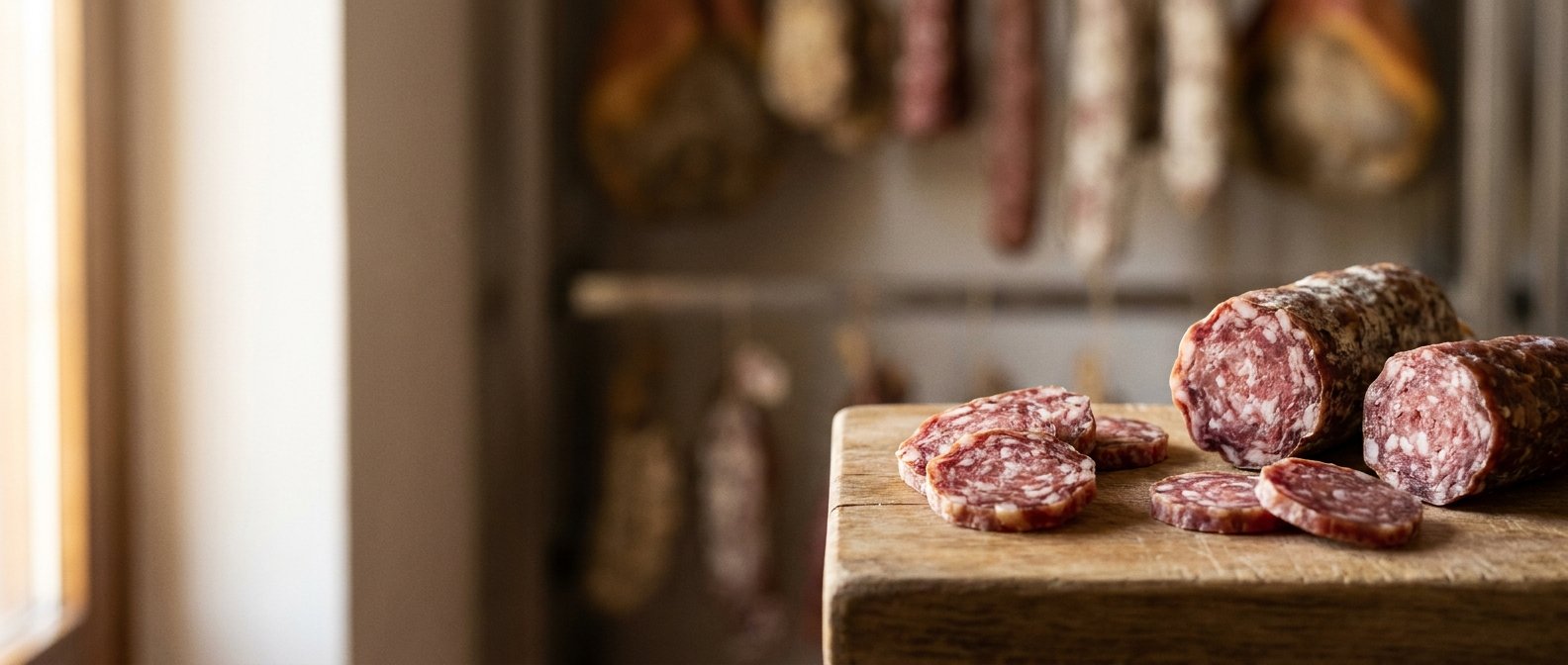
A guest at Aroma Thyme Bistro once rejected a slice of artisan charcuterie because the soppressata felt too dry and hard. His reaction made sense once I understood his reference point.
He knew softer deli salami, while I was serving a dry-cured product with a firmer bite. The problem was not simply taste. We were judging the same food by two different ideas of what salami should be.
Artisan charcuterie can feel drier, denser, or chewier because curing removes moisture over time. That texture alone does not prove the product is good, bad, fresh, or stale.
Key Takeaways: Firm or dry texture can be normal in artisan charcuterie because curing changes moisture and structure over time. Style, process, and producer matter more than softness alone.
Why Can Artisan Charcuterie Seem Too Dry or Hard?
A dry-cured sausage loses moisture as it matures, so the finished meat often feels firmer than deli salami. That is a normal result of dry curing and controlled moisture loss.
The useful question is not, “Is this hard?” Ask what style the producer intended and how the sausage was made. A soft salami is not automatically cheap, and a firm salami is not automatically better.
What Is Soppressata?
If you are asking what is soppressata, start with Italy rather than one fixed American deli standard. La Cucina Italiana describes a regional Italian cured meat with styles that vary by place.
That regional range matters because soppressata does not have one universal texture. Grind, casing, fat, drying, and local practice can all change the finished bite.
Different Does Not Automatically Mean Defective
At Aroma Thyme, the guest treated an unfamiliar texture as evidence that something was wrong. Once we talked about the product, the conversation shifted from rejection to understanding.
I do not expect every guest to like every cured meat I serve. I do expect us to separate personal preference from a claim that the food is defective. Different is not the same as defective.
Key Takeaways: Soppressata varies by region and producer, so one familiar deli texture is not a universal standard. Judge the intended style before judging the product.
How Does Your Reference Point Change What “Good” Tastes Like?
My own reference point changed through years of eating with producers and visiting food regions in Italy. That experience taught me to expect more variation from traditional charcuterie.
If supermarket or deli salami is your reference point, you may expect a softer, more consistent texture. A firmer dry-cured product can feel unfamiliar even when that texture fits the intended style.
The same gap shows up across Italian food. I wrote about what authentic Italian really means because familiar American versions can become our default standard.
That default can make artisan charcuterie feel wrong when it is only unfamiliar. Your reference point shapes what you notice first, from firmness to fat, spice, and aroma.
What Does Time Do to Dry-Cured Salami?
Time changes a sausage because water loss, fermentation, and enzymes keep changing the meat after stuffing. Research on ripened salami links maturation with changes in texture, including hardness.
That relationship is why salami maturation research matters here. Aging time and flavor development are connected to a process, not a marketing slogan.
Moisture Loss Changes Texture
A piece of dry cured salami becomes denser as available moisture drops. Less water changes the bite, while salt, fat, grind, and casing still shape the final result.
This is the practical meaning of dry curing and controlled moisture loss. The producer manages time, temperature, humidity, and airflow instead of simply waiting.
Fermentation and Maturation Change Flavor Too
Drying is only one part of the story. Fermentation and maturation also change acidity, aroma, texture, and the way fat and meat taste together.
That is why a long-cured sausage can taste more concentrated without simply tasting “dry.” The craft lies in balance, not in pushing every product toward maximum firmness.
I see the same patience in other foods. Traditional balsamic vinegar also shows why time can be part of the product itself.
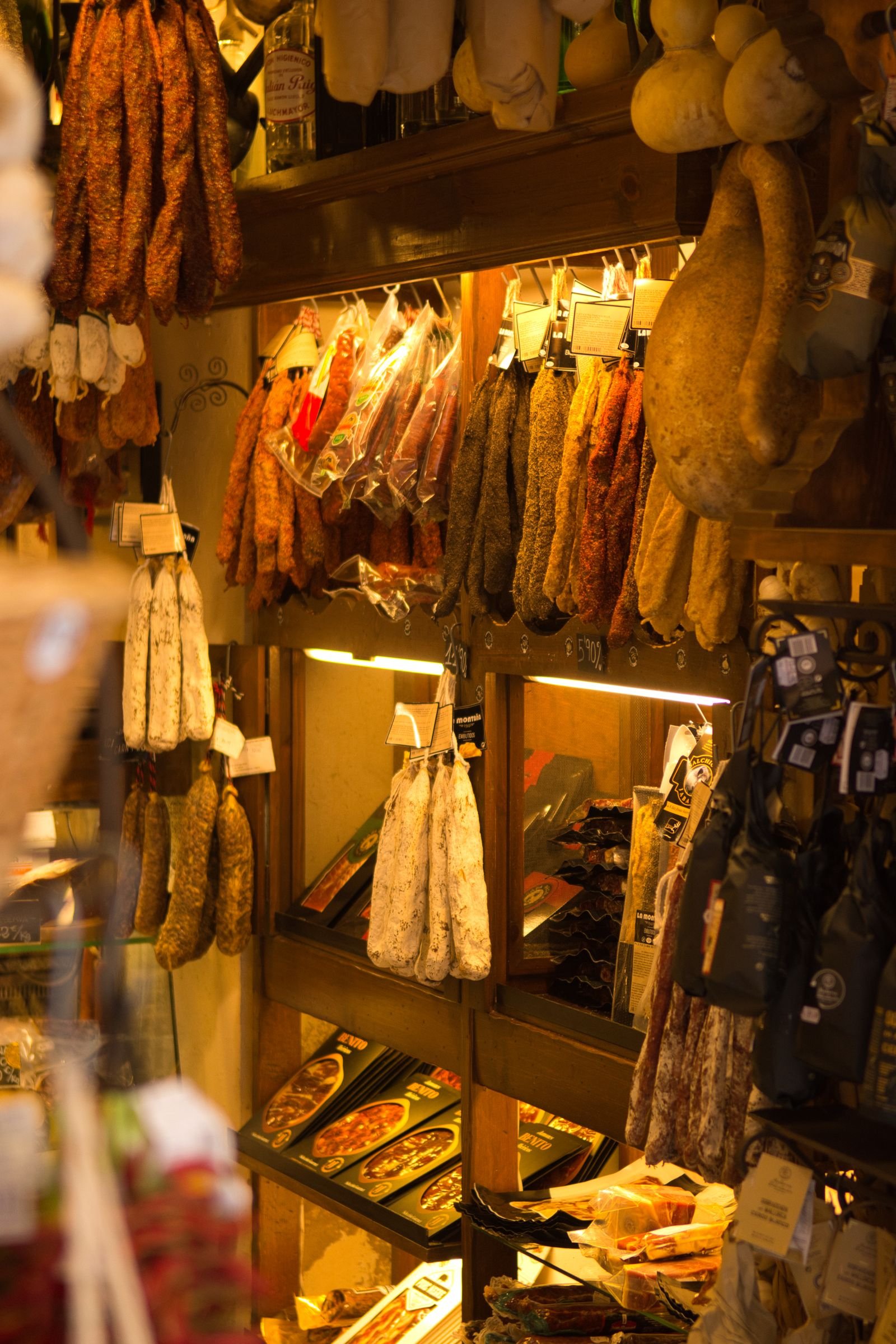
Key Takeaways: Time changes texture and flavor through moisture loss, fermentation, and maturation. More time can create a firmer product, but time alone never proves quality.
Why Is Some Salami Softer Than Other Salami?
Two salamis can age for similar periods and still finish with different textures. Diameter, humidity, grind, casing, fat, and final moisture all affect salami texture and firmness.
That is why I avoid the shortcut that says hard equals artisan. An artisanal salami should be judged by its intended style and execution, not one texture target.
Aging Time Is Only One Variable
A narrow sausage dries differently from a wide one because water has less distance to travel. A coarse grind also feels different from a fine grind, even at a similar moisture level.
Fat changes the bite too because lean meat and fat do not lose water in the same way. Formulation, casing, and drying conditions can shift the result further.
| Factor | What It Can Change | What It Does Not Prove |
|---|---|---|
| Aging time | Moisture, firmness, aroma, flavor concentration | That an older salami is always better |
| Diameter | Drying rate and center-to-edge texture | That a larger sausage is more artisan |
| Humidity and airflow | How evenly moisture leaves the sausage | That visible dryness means careful curing |
| Grind and fat | Chew, richness, structure, mouthfeel | That a coarse grind means higher quality |
| Starter culture | Fermentation behavior and consistency | That the product is automatically industrial |
Starter Cultures and Curing Ingredients Need Nuance
Starter cultures help guide fermentation, and their use does not automatically mean a lower-quality product. A Meat Science study examines how selected starter cultures affect fermented Salame nostrano.
Sugar can also feed fermentation, while curing salts can serve technical and safety roles. Ingredient lists need context because one ingredient rarely tells the whole story of craftsmanship.
Artisan Charcuterie Versus Commercial Deli Charcuterie
Artisan charcuterie and deli charcuterie can serve different goals. One may prioritize small-batch character, while another may prioritize repeatable texture, volume, and slicing.
That difference does not require a good-versus-bad argument. Commercial producers solve real problems of consistency, while artisan cured meats often have more variation between products and batches.
Different Products Can Have Different Objectives
Traditional charcuterie methods often accept changes in texture, aroma, and appearance as part of production. Large deli systems usually need a tighter range because customers expect the same product every time.
For the eater, the difference can show up in moisture, density, spice, casing, and how the flavor develops as you chew. Those traits describe an approach, not a moral ranking.
Why the Producer Matters
At Aroma Thyme Bistro, we have served charcuterie from Jacüterie in the Hudson Valley. That choice reflects my belief that local food sourcing is about relationships, not just mileage.
Knowing the producer gives me context for how the meat was made and what texture to expect. It also lets me explain the product when a guest meets a style that feels unfamiliar.
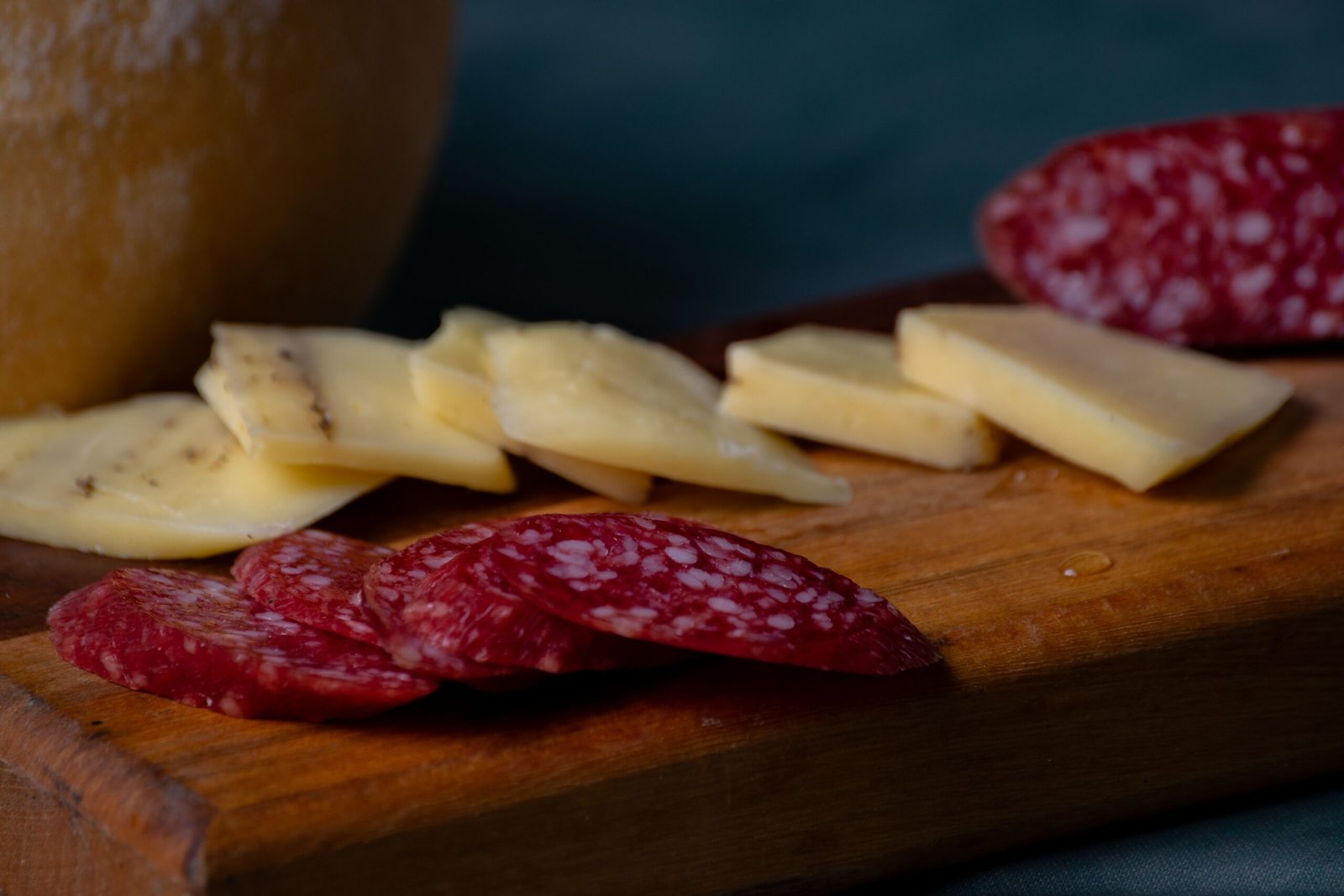
Key Takeaways: Artisan and commercial charcuterie often aim for different kinds of consistency and character. Producer, process, and intended style matter more than a simple label.
Which Companies Specialize in Handcrafted Artisan Charcuterie?
For handcrafted artisan charcuterie in the United States, I would start with producers that explain their curing methods and make the meat themselves. Jacüterie is one example I know through my restaurant work.
Olympia Provisions in Oregon is another useful example. The company says it handcrafts its meats and uses slow fermentation and long curing for its salami.
I would not choose a producer from the word “artisan” on a package alone. Look for clear information about meat, casing, fermentation, drying, sourcing, and who controls the process.
How to Identify a Serious Artisan Producer
A producer should be able to tell you how the sausage is made and what style it represents. You should also find enough detail to understand why one product is softer, firmer, milder, or more intense.
Use these questions before treating a package label as proof. Clear answers give you better context:
- Who makes the cured meat, and where is it produced?
- Does the producer explain fermentation, drying, or maturation?
- What casing, grind, and meat style does the product use?
- Does the company describe the intended texture and serving style?
- Can a retailer, chef, or producer explain what makes the product distinct?
Those answers tell you more than a rustic label. They also give you a better way to compare artisan cured-meat craftsmanship across companies.
What Happened After I Explained the Soppressata?
The Aroma Thyme guest did not need a lecture about why his palate was wrong. He needed context for why our soppressata did not match the softer deli style he expected.
Once I explained the dry-cured texture, the conversation changed. He understood why the product felt different from the commercial deli salami he expected.
That is the hospitality lesson I keep from this story. Education should make food easier to understand, not make a guest feel small for having a different reference point.
Key Takeaways: Good hospitality explains the product without judging the guest. Understanding why a food tastes different can change the experience even when preference stays personal.
How Should You Judge Artisan Charcuterie Before Calling It Bad?
Start with the style and producer before comparing the meat with supermarket salami. Then look at texture, aroma, slicing, and how the product changes as it warms.
A firm slice can make sense for one style and feel wrong for another. The useful test is whether the product matches what that producer intended, not whether it matches your last charcuterie board.
Before you decide a cured meat is bad, ask five questions. They keep the judgment tied to style and process:
- What style of cured meat is this?
- Who made it, and what process do they describe?
- Is this texture expected for the style?
- Was it sliced and served in a way that fits the product?
- Am I judging a defect, or am I reacting to something unfamiliar?
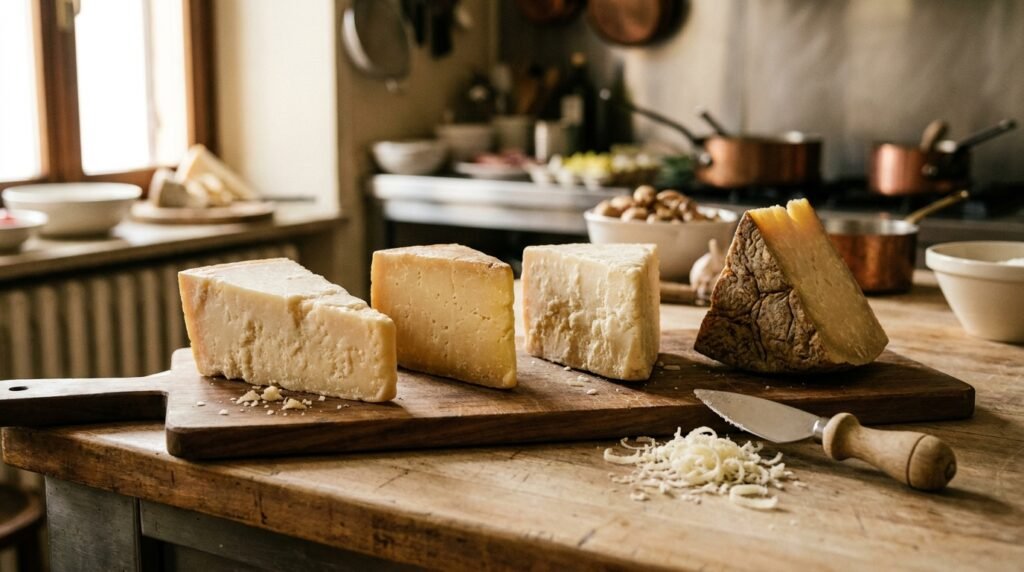
This same habit applies to cheese. My guide to real Italian cheese shows how texture and tradition can challenge familiar expectations.
Sometimes You Have to Relearn What “Good” Tastes Like
More than three decades in hospitality have taught me that familiarity is powerful. A guest can know food well and still meet a product that sits outside their usual reference point.
That is not a failure of the guest or the producer. It is a chance to ask better questions about process, place, and the purpose behind a style.
With artisan charcuterie, those questions often lead back to time. Dry cured meats change because moisture leaves, fermentation works, and maturation keeps shaping the product.
The next time a salami feels firmer than expected, do not assume the answer from texture alone. Ask who made it, how it was cured, and what the style is meant to be.
The lesson from that Aroma Thyme table still holds for me. Artisan charcuterie is not valuable because it is harder, drier, or older. The magic ingredient is time when skilled hands know what to do with it.