



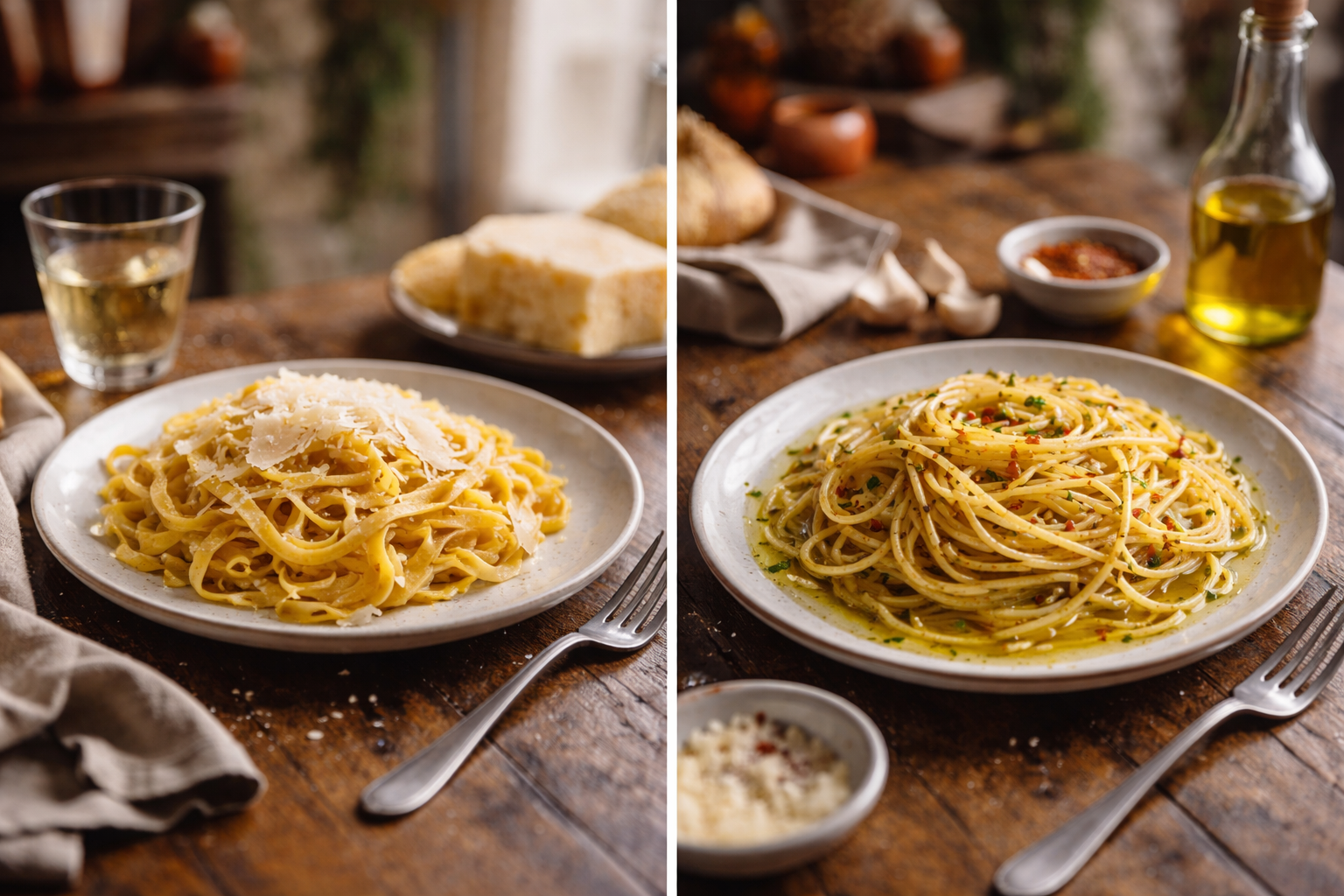
Most people treat butter or olive oil on pasta as a taste question. Pick the one you like. End of debate.
But spend a week eating across different Italian pasta regions, and you realize this has nothing to do with preference. It is a question about geography, culture, and identity. The answer changes depending on where you sit down.
I have led culinary travel Italy tours for years, walking guests through northern and southern kitchens. The shift from butter to olive oil is not subtle. It is a different country on the same plate.
Why Americans Get Butter or Olive Oil on Pasta Wrong
In the U.S., pasta with butter is childhood food. Quick, easy, safe. Something you give kids when you do not want to argue at dinner.
But authentic Italian butter pasta tells a different story. Butter is not basic there. It is the foundation of some of the most refined dishes in the country.
The same ingredient Americans dismiss commands deep respect in Italian regional cuisine. That gap between what we assume and what actually happens in Italian kitchens is where the real education starts.
Northern Italian Pasta: Where Butter Rules the Kitchen
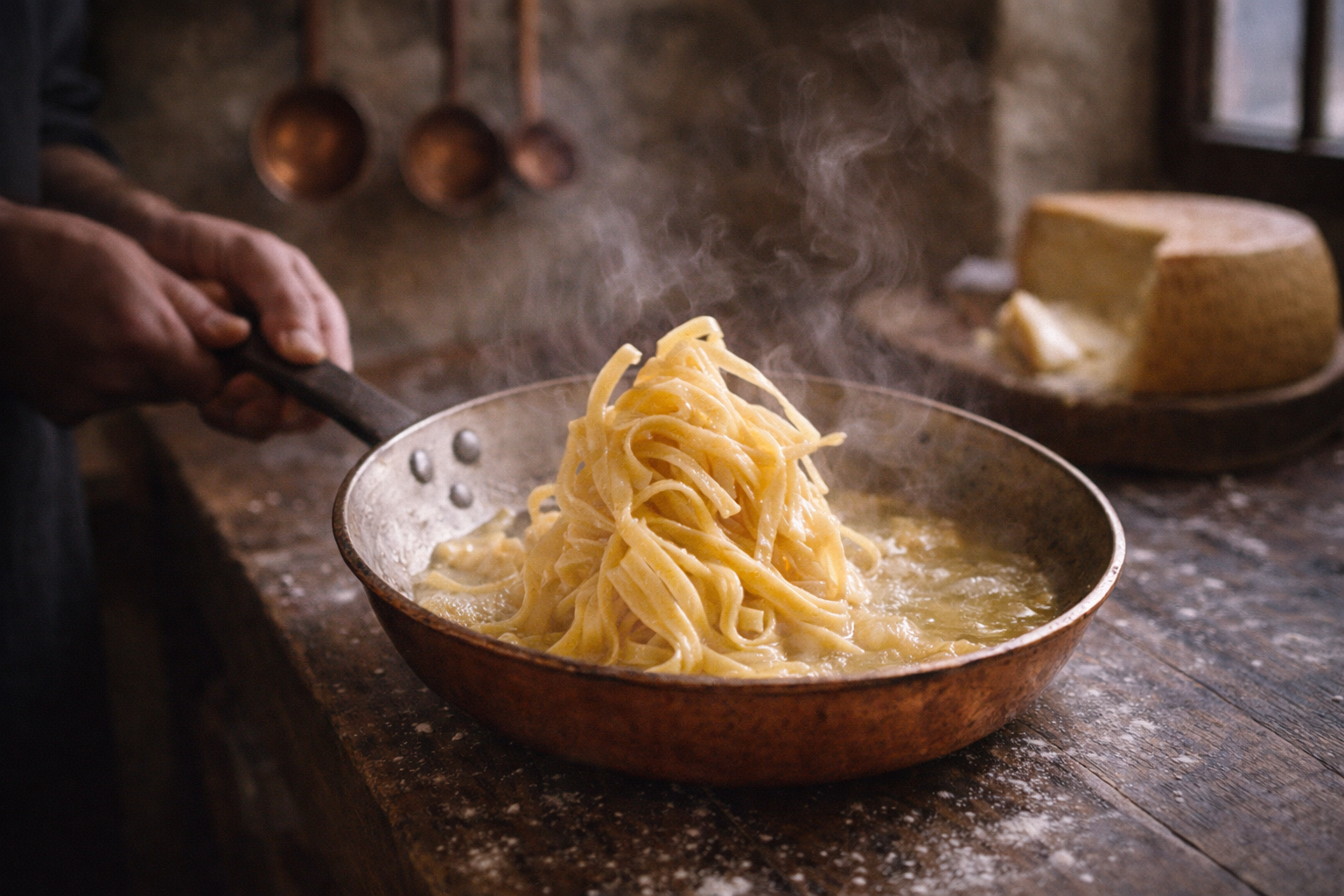
Up north, in places like Piedmont, Lombardy, and Emilia-Romagna, butter is not optional. It is the foundation of Piedmont butter cuisine and the broader northern cooking identity.
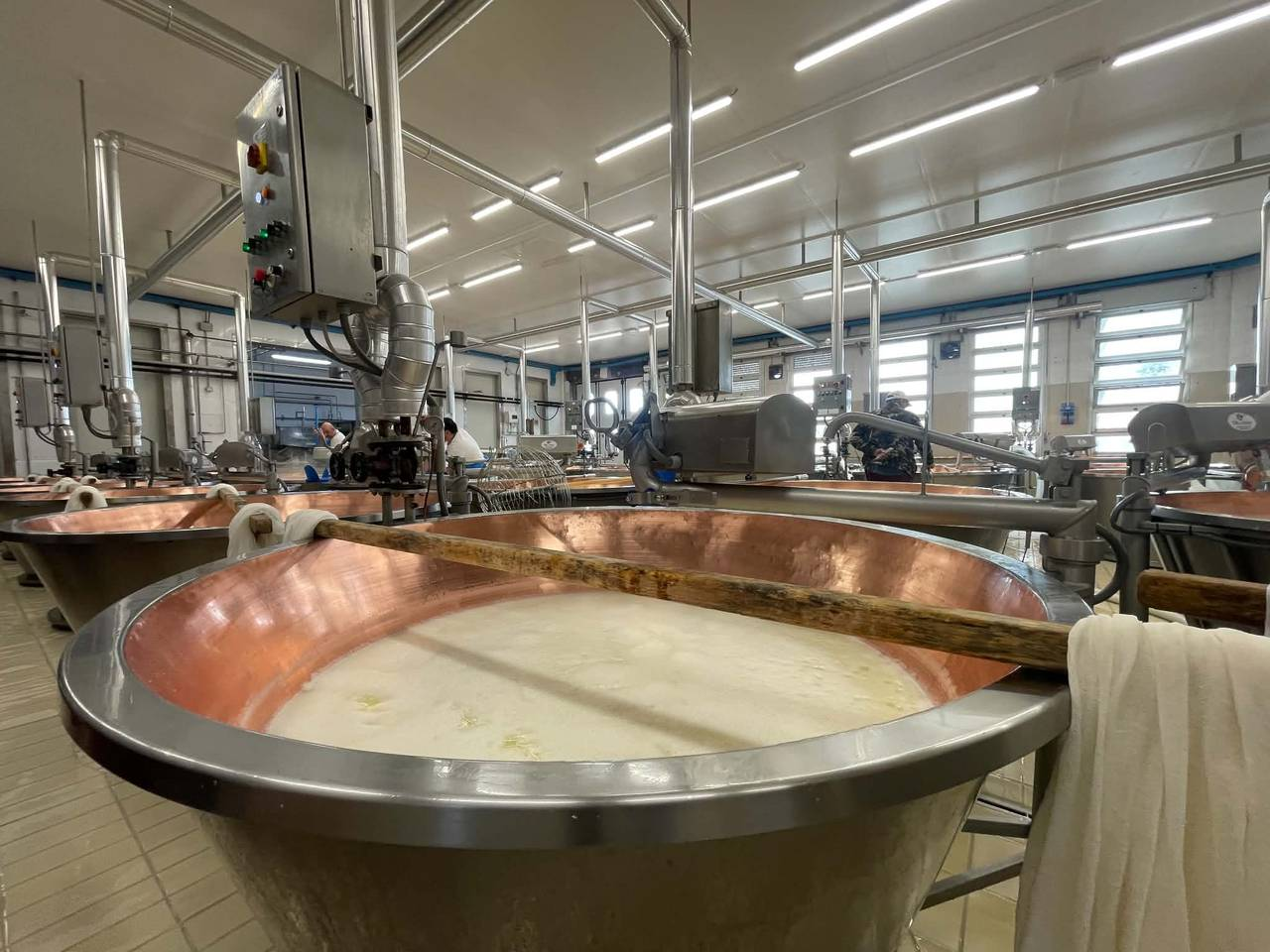
This is dairy country. Cows cover the landscape. Parmigiano Reggiano is born here. Cream, butter, and cheese define emilia romagna food and the entire region.
The dishes built on this fat speak for themselves:
- Tagliatelle butter truffle, where shaved white truffles melt into golden butter
- Risotto mantecato, finished with a cold cube of butter stirred into the rice
- Tortellini in brodo, where filled pasta floats in a butter-finished broth
That butter is not generic. It is not a commodity product pulled from a warehouse. It reflects the cows, the feed, the seasons, and the farmer who made it. It has terroir, the same way wine does.
If you want to see this firsthand, Piedmont’s food and wine culture runs on butter, cream, and centuries of dairy tradition.
Southern Italian Pasta and Why Olive Oil Is Everything
Now go south. Apulia. Campania. Sicily.
You wake up and see olive trees for miles. Not dozens. Millions. Apulia olive oil and sicily olive oil production shape everything about how people eat in these regions.
Olive oil in Italian cooking is not background flavor in the south. It is the central ingredient. It is life.
The dishes tell you exactly where you are:
- Spaghetti aglio e olio, where garlic and oil carry the whole plate
- Orecchiette broccoli rabe, dressed in bright, peppery oil
- Seafood pastas finished with olive oil and fresh citrus
The oil has character. Bright. Peppery. Alive. Sometimes co-pressed with lemon. It gets drizzled at the end of a dish as a final signature. Not hidden. Not blended. Celebrated.
If you want to go deeper into Sicily’s food and wine traditions, the olive oil is just the starting point.
Southern Italian pasta runs on a completely different fuel than the north. Understanding that split is the start of understanding olive oil pasta Italy.
How Do Butter and Olive Oil Behave Differently in Pasta?
This is where the science matters. Choosing the best fat for pasta is not just about flavor. It is about how each cooking fat Italy relies on behaves in a hot pan.
| Property | Butter | Olive oil |
|---|---|---|
| Composition | Emulsion: fat + water + milk proteins | Pure fat |
| Sauce behavior | Naturally creamy and clingy | Needs pasta water + technique to emulsify |
| Flavor profile | Round, rich, luxurious | Vivid, structured, expressive |
| Regional home | Piedmont, Lombardy, Emilia-Romagna | Apulia, Campania, Sicily |
| Finishing style | Stirred in (mantecato) | Drizzled on top as a signature |
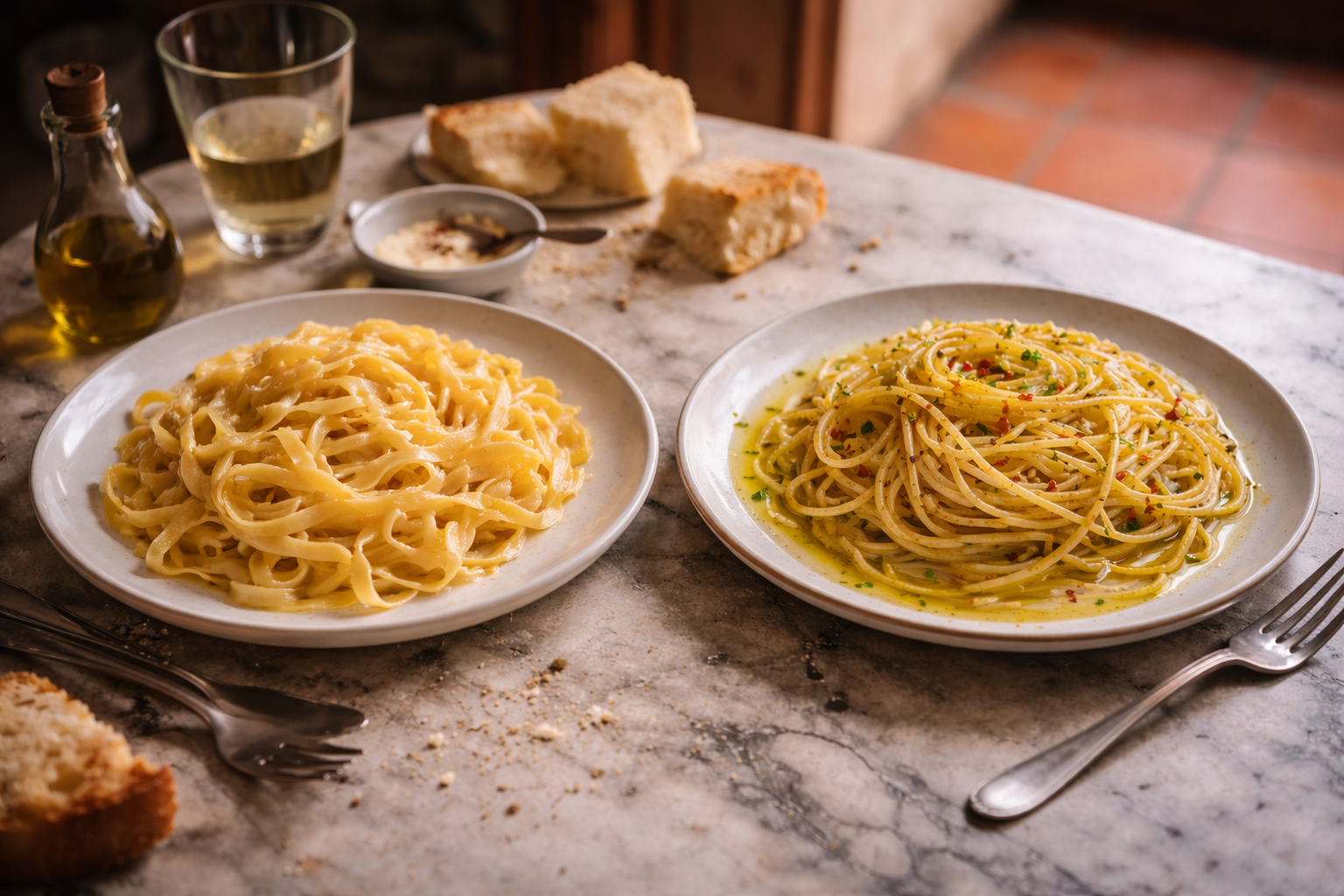
Butter vs olive oil pasta is not a competition. It is two different tools for two different jobs. The best chefs do not pick a side. They know when each fat should lead.
That distinction only makes sense once you have eaten in both regions. Reading about it is not the same as tasting it across a table in Puglia, then again in Parma.
What Most Travelers Miss About Italian Food Culture
Most people try to “see Italy” in one trip. Venice, Florence, Rome, Naples. Seven days. Ten cities. Zero understanding.
That is not Italian food travel. That is a checklist.
You do not experience Italian food culture by covering ground. You experience it by slowing down. Sitting at a table. Talking to the person who cooked your meal.
I see it every tour. Guests spend a week in the north eating butter-based sauces, rich pastas, cheese in everything. Then they travel with me to the south.
Suddenly olive oil is on the breakfast table. Eggs are finished with oil instead of butter. Pasta tastes lighter but more vibrant.
They always say the same thing: “This is completely different.”
That is the moment. That is when Italy stops being a destination and becomes an education.
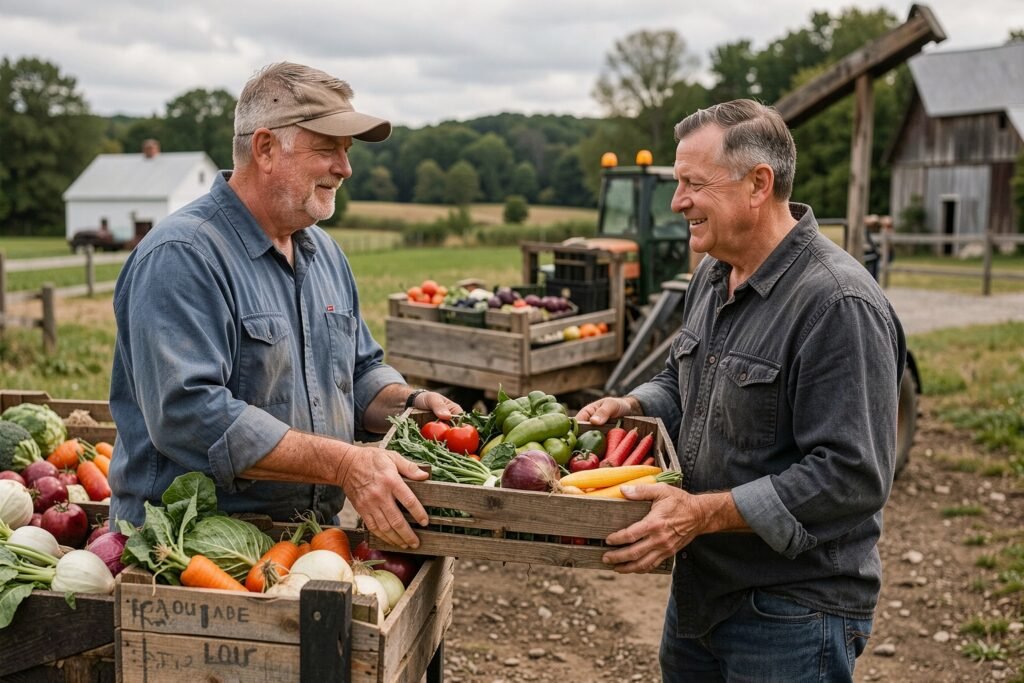
The reason goes deeper than flavor. In Italy, ingredients are local, intentional, and respected. Butter in the north comes from nearby dairies. Olive oil in the south comes from trees you can see from your window.
This is zero kilometer cooking Italy: the idea that the best food travels the shortest distance from source to plate. Once you experience that, you realize it is not butter vs. olive oil. It is place vs. place.
How to Experience Italian Cooking Traditions Like a Local
If you want to understand italian cooking traditions, start with these concrete steps:
- Spend at least a week in one region instead of rushing through five
- Skip tourist restaurants and eat where locals eat
- Pay attention to the cooking fat on every plate
- Ask your server where the olive oil or butter comes from
- Go back more than once, because Italy is not meant for a single trip
The fat on the plate is the fastest way to decode a region. Butter means dairy country. Olive oil means groves.
If you want to pair Italy’s wine regions with this food education, the two are inseparable. Wine and fat follow the same regional logic.
Italy teaches through repetition. One trip shows you the surface. Two trips show you the pattern. Three trips, and you stop asking “butter or olive oil on pasta?” because the answer is already on the table.
FAQ: Butter or Olive Oil on Pasta?
Is butter on pasta authentic in Italy?
Yes. The Italian tradition of pasta with butter runs deep in the north. In Piedmont, Lombardy, and Emilia-Romagna, butter is a foundational ingredient in many classic dishes.
Do Italians use olive oil everywhere?
No. Olive oil dominates the south and central regions. The north relies on butter, cream, and cheese. The split follows geography, climate, and agriculture.
Why is northern Italian food richer?
Colder climates and dairy farming led to butter, cheese, and heartier northern italian pasta dishes. The land produces what the kitchen uses.
Where is olive oil produced in Italy?
All over, but the largest production is in southern regions. Apulia alone produces roughly 40% of Italy’s olive oil. Sicily is the second largest producer. Source: International Olive Council.
What is the difference between northern and southern Italian pasta?
Southern italian pasta is lighter, olive oil-driven, and more focused on individual ingredients. Northern pasta tends to be richer, built on butter, cream, and aged cheese.
Butter or olive oil on pasta is not a choice. It is a story of land, climate, and the people who cook with what grows around them.
The next time someone asks you which is better, ask them a different question: where in Italy are you eating?
That is the only answer that matters. And the specific way to find it is to sit down at a table in both regions and let the food teach you.
If you want to start that education before you board a plane, come eat with us at Aroma Thyme Bistro in the Hudson Valley.