


Who the hell can you trust anymore?
Scroll through TikTok or Instagram and suddenly everyone is a “food expert.” A camera, a car, a catchy voiceover, and now they tell you where to eat, what’s “fire,” what’s “the best.”
But based on what? Likes? Views? A good angle on melted cheese?
Or actual knowledge?
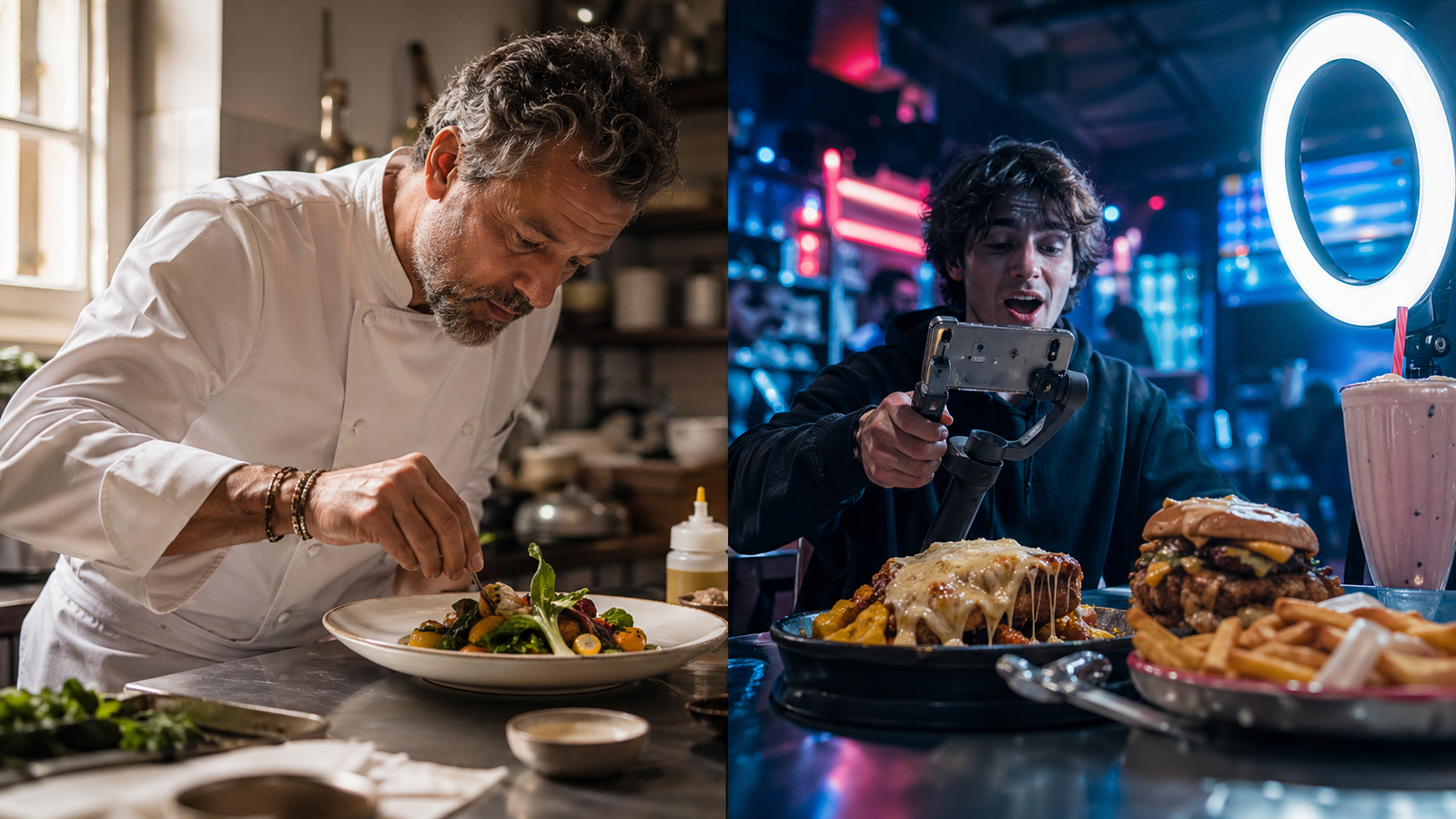
Because those are not the same thing. Confusing the two is how diners get fooled. Food influencers have replaced trained palates with ring lights, and most diners can’t tell the difference. After 25-plus years behind the line, including time in a Michelin three-star kitchen, I can.
I’m Not a Food Influencer. Here’s Why That Matters
I don’t consider myself a food influencer. I influence what people eat. But I do it from a place of experience, not popularity.
I’ve trained in a Michelin three-star kitchen. I’ve worked at places like The Greenbrier and The Broadmoor. I’ve seen the best kitchens in the world. I’ve also seen operations that couldn’t care less about quality.
I’ve lived both sides.
Somewhere along the way, I woke up to something bigger: the food system itself. Mass-produced. Manipulated. Engineered for shelf life, not life. Food that’s sweeter, softer, crunchier, and more addictive. Not because it’s better, but because it’s been chemically and mechanically altered to hit your brain like a drug.
That’s the reality most influencers don’t talk about.
What’s the difference between a chef and a food influencer? A chef is accountable to ingredients, technique, and the diner sitting at the table. A food influencer is accountable to an algorithm. One eats with their tongue. The other eats with their phone.
"I influence what people eat. But I do it from a place of experience, not popularity."
The Illusion of “Good Food”
Here’s the uncomfortable truth. A lot of the food getting hyped online isn’t good. It’s engineered to feel good. Big difference.
When you combine salt, sugar, fat, crunch, and additives, yes, it’s going to light up your palate. That doesn’t make it quality. That makes it effective.
These are called hyperpalatable foods, engineered to override your brain’s natural fullness signals. Researchers at Harvard Health and other institutions have documented how this category dominates the modern American diet. They aren’t accidents. They’re designed.
Why does engineered food taste so good? Because food scientists spent billions making sure it does. Anyone can eat a spoonful of sugar and say, “Wow, this is amazing.” That doesn’t mean it’s food worth celebrating. The line between food influencer and unpaid product marketer is thinner than most people realize.
"It's engineered to feel good. Big difference."
The French Fry Lie: How Distributors Fool the Internet
Let’s get real simple. An influencer walks into a restaurant and says:
“These are the best fries ever.”
Okay. But what if those fries are:
- Pre-made
- Frozen
- Available from the same distributor used by half the country
- Identical to the fries at the diner three blocks over
What exactly are you praising? Nothing unique. Nothing crafted. Nothing thoughtful. You’re praising a product, not a chef. That’s where the entire system breaks down.
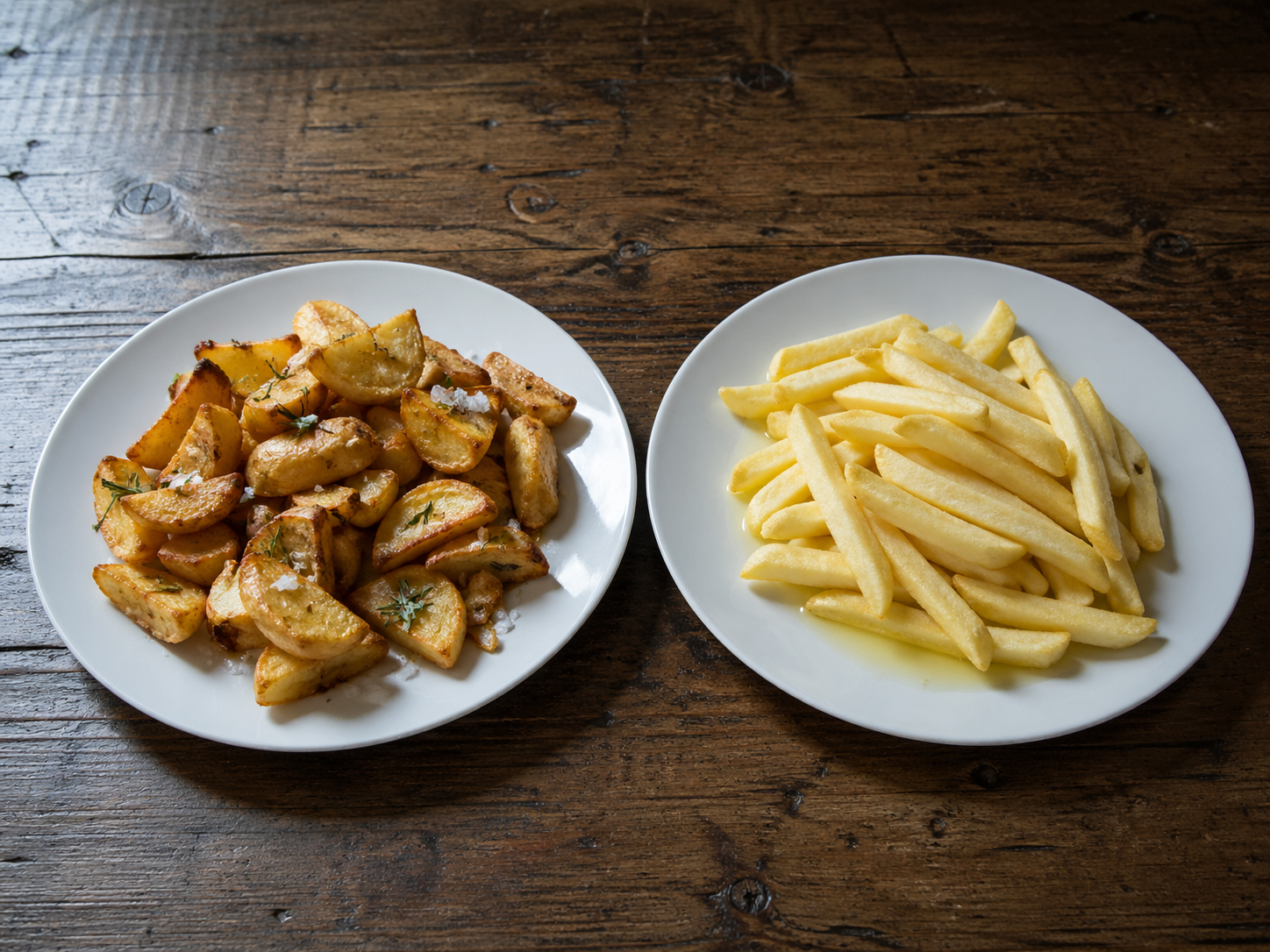
How can I tell if a restaurant uses frozen food? Watch for uniformity. Frozen food looks identical plate-to-plate because it was identical in the bag. Real fries have personality. Some longer, some shorter, some darker. If every fry on your plate looks like a clone, you’re eating a Sysco product, not a chef’s craft. The same logic plays out in seafood, where I broke down why “fresh” rarely means what diners think it means.
"You're praising a product, not a chef."
The Trained Palate Test: 4 Questions Every Diner Should Ask
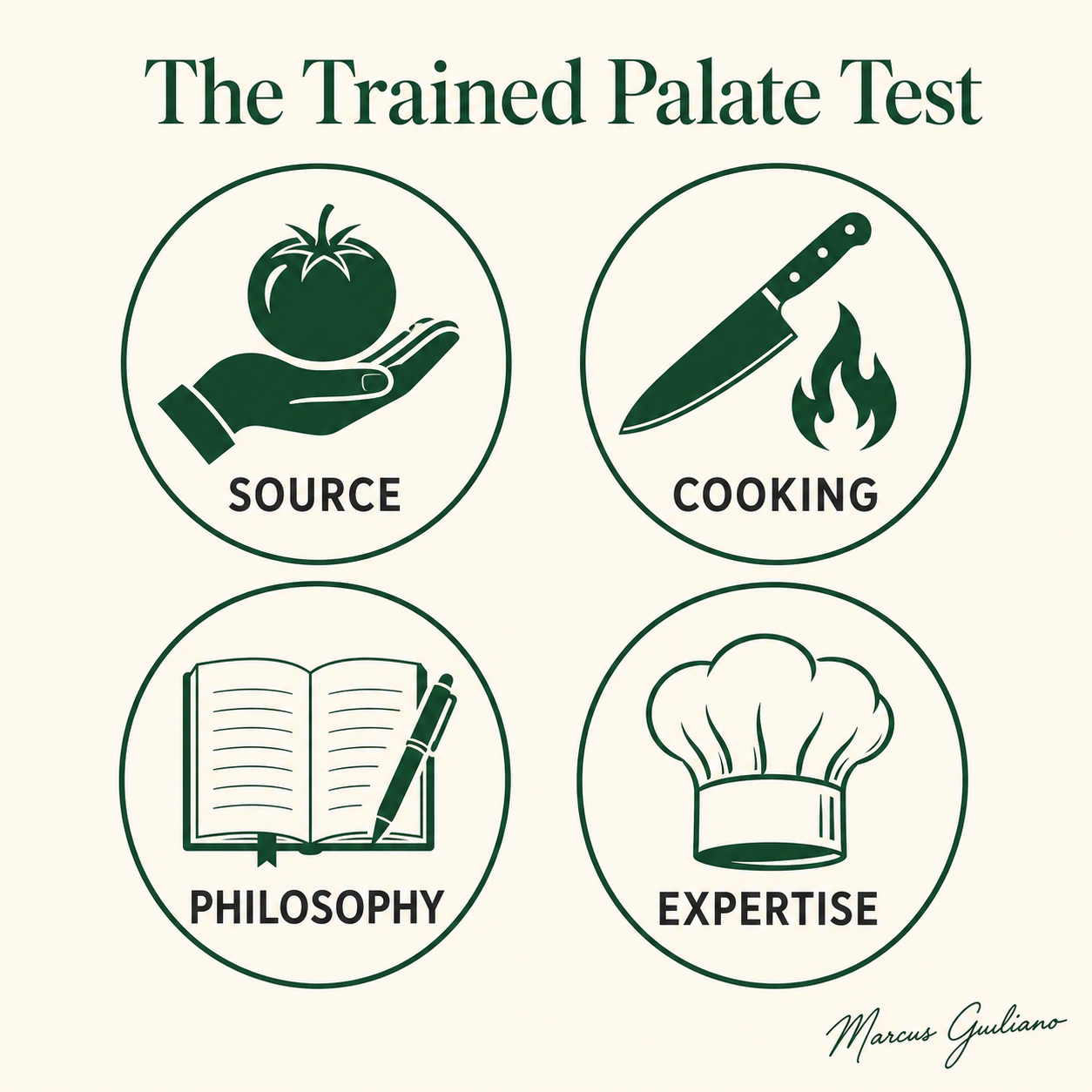
Real food has a source, a method, and a chef behind it. To find it, you need a test. I call this The Trained Palate Test, and it’s the same internal checklist I run every time I sit down at a new restaurant.
Ask these four questions:
- Source. Where are they sourcing from? Is the menu tied to specific farms, fishermen, or producers, or is it anonymous? A single ingredient can tell the whole story, the way I unpacked it in real vs. fake balsamic vinegar or why I’ve never served farmed salmon.
- Cooking vs. Assembly. Are they actually cooking, or just opening packages? Look for in-house bread, made-from-scratch sauces, and butchered-on-premise proteins.
- Philosophy. Is there a point of view behind the menu? A real chef can explain why a dish exists. An assembler can only describe what’s on the plate.
- Expertise. Does the chef actually understand the ingredients? Ask about a single component and see if the answer goes one layer deep, or ten.
I can buy the cheapest pre-made pizza dough, thaw it, bake it, melt cheese on top, and someone online will call it “the best pizza ever.” That’s not cooking. That’s assembly.
Real pizza? Hydration ratios. Fermentation time. Flour selection. Oven temperature. Technique built over years, sometimes decades. You don’t fake that.
How do I tell if a restaurant uses real ingredients? Run The Trained Palate Test. If a server can answer all four questions confidently, the restaurant is real. If they fumble even one, you have your answer.
"Source. Cooking. Philosophy. Expertise. Four questions. The whole truth."
The Dirty Secret: Who Actually Controls Your Food
A small number of massive companies control most of the food supply. According to the USDA Economic Research Service, the four largest meatpackers handle 85 percent of all steer and heifer purchases and 67 percent of all hog purchases. Big food companies aren’t focused on flavor. They’re focused on:
- Shelf stability
- Cost reduction
- Mass production
- Addictive qualities
That’s how you end up with seedless everything, over-sweetened products, artificial colors, and generic “rockfish” that could be any of dozens of species. You also get flavor enhancers hiding under names like “natural flavors” or “spices.” These are the food industry secrets the labels never spell out. When influencers hype up restaurants using those same products, they’re unknowingly promoting the system, not quality.
Who controls the food supply? A handful of multinationals you’ve never voted for. Every dollar you spend at a chef-driven restaurant is a vote against that consolidation.
"They're not focused on flavor. They're focused on shelf stability."
Chef-Driven vs Influencer-Driven Restaurants
Here’s the side-by-side I wish every diner had taped to their phone before walking into a restaurant.
| Signal | Chef-Driven Restaurant | Influencer-Hyped Spot |
|---|---|---|
| Menu philosophy | Tied to season and sourcing | Tied to viral trends |
| Pizza dough | In-house, fermented 24 to 72 hours | Thawed from a bag |
| French fries | Hand-cut, double-fried | Frozen distributor product |
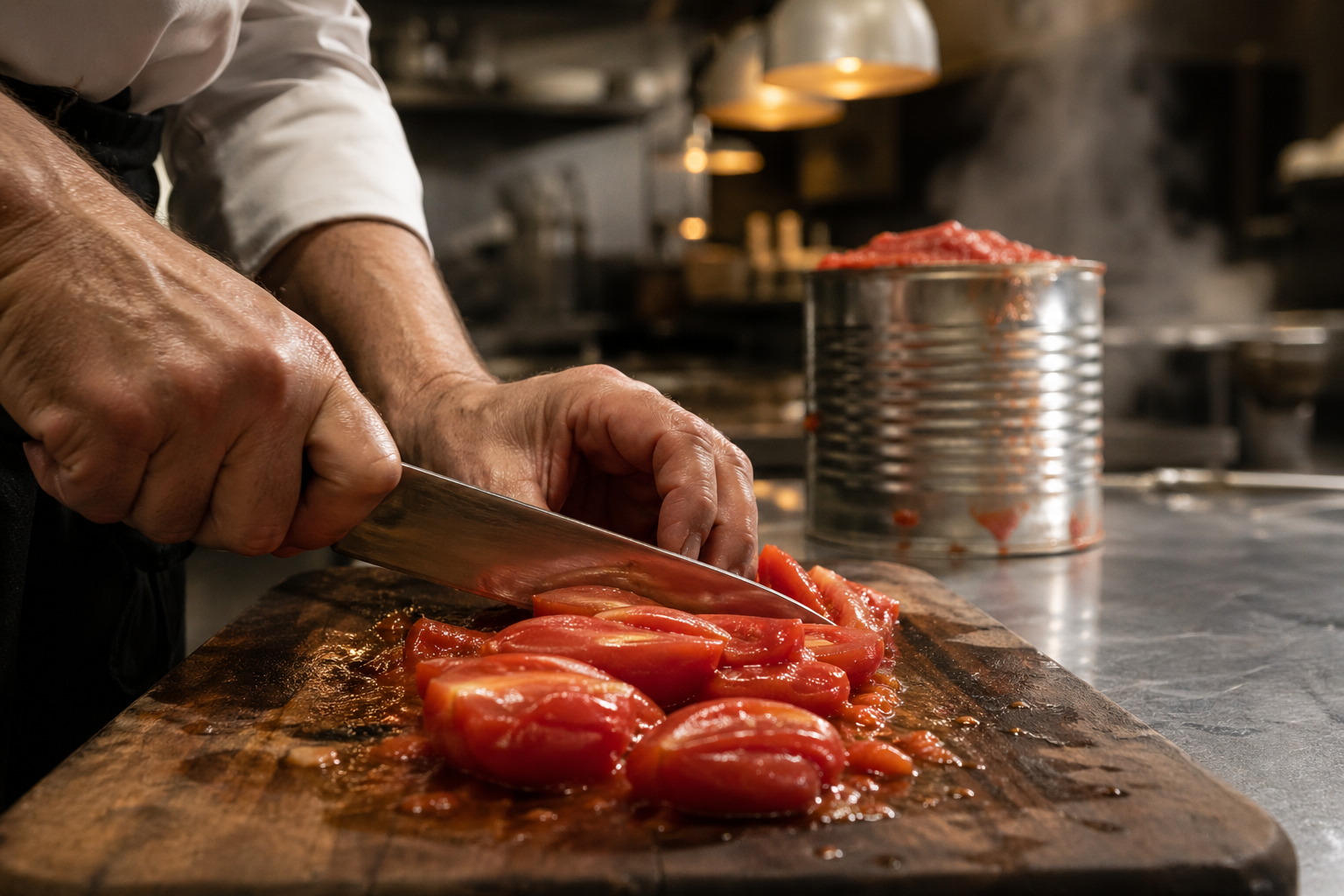
| Tomatoes | Sourced from a named farm | Anonymous food-service crate |
| Chef interaction | Visible, accountable | Often absent |
| Server knowledge | Knows the source | Reads the menu back |
What’s the difference between a chef-driven and a regular restaurant? A chef-driven restaurant has decisions behind every plate. A regular restaurant has invoices.
"A chef-driven restaurant has decisions. A regular restaurant has invoices."
My Contrarian Take: Simplicity Wins
You want to know what real great food is? Simple. Not overdone, not overloaded, not covered in ten ingredients trying to impress you.
Let the product speak. When the ingredients are real, they don’t need help. Compare what passes for “elevated” online:
- Cheap burrata
- Sugary balsamic glaze
- Canned roasted peppers
- Bitter arugula
That’s not elevated food. That’s assembled nonsense. It looks good. It photographs well. It gets likes. But to a trained chef, it’s a shortcut. The same fraud plays out in cheese, where I unpacked the feta deception most diners don’t know about.
What does great food actually look like? Three or four ingredients. Each one nailed. Nothing hiding behind sauce or salt or sugar. It’s the same restraint behind what authentic Italian food really means: less, done right.
"When the ingredients are real, they don't need help."
The Biggest Mistake Diners Make
Blind trust. Following someone just because they have a big following. That’s backwards.
Instead, ask yourself:
- What are they actually saying?
- Do they understand food, or just describe it?
- Are they explaining why something is good?
Describing gooey cheese and crispy bread isn’t expertise. That’s marketing.
Why do diners trust food influencers in the first place? Because food influencers feel accessible, and chefs feel intimidating. Accessibility isn’t expertise. It’s just a different camera angle.
"Describing food isn't expertise. That's marketing."
How to Eat Smarter, Starting Today
If you want to level up as a diner, here’s your move.
1. Follow Seasonality
If asparagus is in season, it should taste incredible. If it’s not in season and still on the menu, question it.
2. Watch the Tomatoes
Tomatoes don’t lie. Great tomatoes cost real money. Cheap tomatoes are everywhere. If a restaurant invests in great tomatoes, they care. If they don’t, that tells you everything.
3. Look for Simplicity Done Well
The fewer ingredients, the harder it is to hide flaws. Simple food done right equals skill.
How can a regular diner spot a real restaurant? Three signals. Seasonality. Tomatoes. Simplicity. Nail those, and the rest follows.
"The fewer ingredients, the harder it is to hide flaws."
FAQs: What People Really Want to Know
Are food influencers reliable?
Most aren’t. The majority describe what they’re eating without understanding how it was made or sourced. A few are genuinely educated, but they’re often drowned out by louder voices with bigger followings. Use The Trained Palate Test to evaluate any food influencer’s recommendations.
How can I tell if a restaurant uses quality ingredients?
Ask questions about sourcing, seasonality, and preparation. If the server can name the farm or describe the technique, you’re in a real restaurant. If they only read the menu back to you, you’re somewhere else.
What is The Trained Palate Test?
It’s a four-question framework I use to evaluate any restaurant: Source, Cooking vs. Assembly, Philosophy, and Expertise. If a restaurant answers all four with confidence, it’s real. If it fumbles even one, the food usually follows.
Why does good food cost more?
Real ingredients cost more. So does the time, labor, and sourcing required to handle them properly. Cheap food is cheap for a reason, and that reason is usually printed on a freezer bag.
Is popular food usually good food?
Not necessarily. Popular often means accessible and engineered to please, not crafted for quality. The viral plate is rarely the best plate.
Are all food influencers bad?
No. Some are genuinely educated and worth following. The problem is that thoughtful, technical food content rarely goes viral. So most food influencers end up as entertainers, not experts.
Final Thought: Raise Your Standards
Here’s the bottom line. You don’t need to stop watching food content. You do need to stop blindly trusting it.
If you let likes dictate your palate, you’ll never actually learn what great food is. Once you experience real food, crafted, sourced, and respected, you can’t go back. The era of unchecked food influencers ends when diners start asking better questions.
"Once you experience real food, you can't go back."
Take It Further
If this hit a nerve, good. Start asking better questions when you dine out. Start paying attention to what’s actually on your plate. Start supporting places that care.
If you want to go deeper, follow my work at marcusguiliano.com and see what real quality looks like in action.
Because this isn’t just about eating. It’s about understanding.
About the Author