


I am a farm to table chef because of what I saw in a three Michelin star kitchen.
Not a cooking class. Not a certification. Not a weekend workshop on sustainable sourcing.
I saw Pierre Koffmann load his car onto a ferry, drive across France, and bring back the ducks himself. Every plate I build today at Aroma Thyme Bistro in the Hudson Valley traces back to what I learned watching him do that.
What Does a Farm to Table Chef Actually Do?
Most restaurants hang the sign. Few do the work.
A real farm to table chef does not call a distributor and check a box. The real work starts at the farm gate. You drive there. You meet the producer. You watch the process. Then you decide if that ingredient belongs on your plate.
I learned this at La Tante Claire in London. Chef Pierre Koffmann held three Michelin stars there for fifteen years. He earned them through classical French discipline rooted in his native Gascony, southwest France.
Koffmann did not source ingredients the way most chefs did. He sourced them the way a farmer would. Personally. Physically. Without shortcuts.
I did not know it at the time, but I was watching the blueprint for the rest of my career.
Where Did This Sourcing Obsession Come From?
Pierre Koffmann cooked from identity, not trend.
His Gascon grandmother cooked over an open fire. His grandfather farmed the land in southwest France. You could taste those roots in everything he put on a plate. Five decades in professional kitchens, and he never once drifted from where he came from.
Driving Across the Channel for Ducks
One of Koffmann’s iconic dishes was duck à la presse. This traditional Gascon preparation required the Rouen duck from Normandy, handled a particular way to preserve the blood for the sauce.
You could not order these from a distributor. So Koffmann did not try.
La Tante Claire closed on weekends. On those weekends, Koffmann took the ferry across the English Channel with his car. He drove through France. He sourced ducks, fish, and specialty ingredients from producers he knew by name. Then he drove back to London with the boot full of product. I could smell the difference when those ingredients arrived in the kitchen.
A three Michelin star chef. Personally sourcing his ingredients. That is what farm to table chef meant before the term existed.
English Farmers at the Back Door
It was not just France.
Farmers from the English countryside pulled up weekly with pristine vegetables. I remember one farmer arriving in a Range Rover. He unloaded small trays of seasonal produce, each variety selected for that week’s menu.
No branding. No marketing pitch. Just product.
Koffmann supported English farms while keeping deep ties to Gascony and other parts of France. In his kitchen, cuisine was never disconnected from its origin.
What I learned was not just farm to table. It was farm to table when it made sense locally. Build relationships with farmers, know the source, understand the land. And when something could not be sourced locally? It had to be truly remarkable. Worth going out of your way for. Worth putting on a plate. That was the standard.
Presence Over Performance: The Leadership Lesson
During my first days in Koffmann’s kitchen, his wife had just passed away.
The restaurant could have closed. He could have stepped away entirely. But he was present. Even on the day of the funeral, he was in the restaurant.
Not for ego. Not for performance. The restaurant was his life’s work. I still think about that.
I have owned Aroma Thyme Bistro in Ellenville, New York for over twenty years now. Presence still drives how I run things. I am in the kitchen. I am at the farms. I am on the road sourcing ingredients myself.
Why I turned down an executive chef position at a NY Times-rated restaurant traces back to this same principle. Presence over title. Standards over status.
How Three Michelin Star Training Built a Hudson Valley Farm to Table Chef
Today I am the chef-owner of Aroma Thyme Bistro in Ellenville, New York. It is one of the Hudson Valley’s most awarded farm-to-table restaurants.
That sourcing obsession from Koffmann’s kitchen never left me.
Driving Across New York State for Ingredients
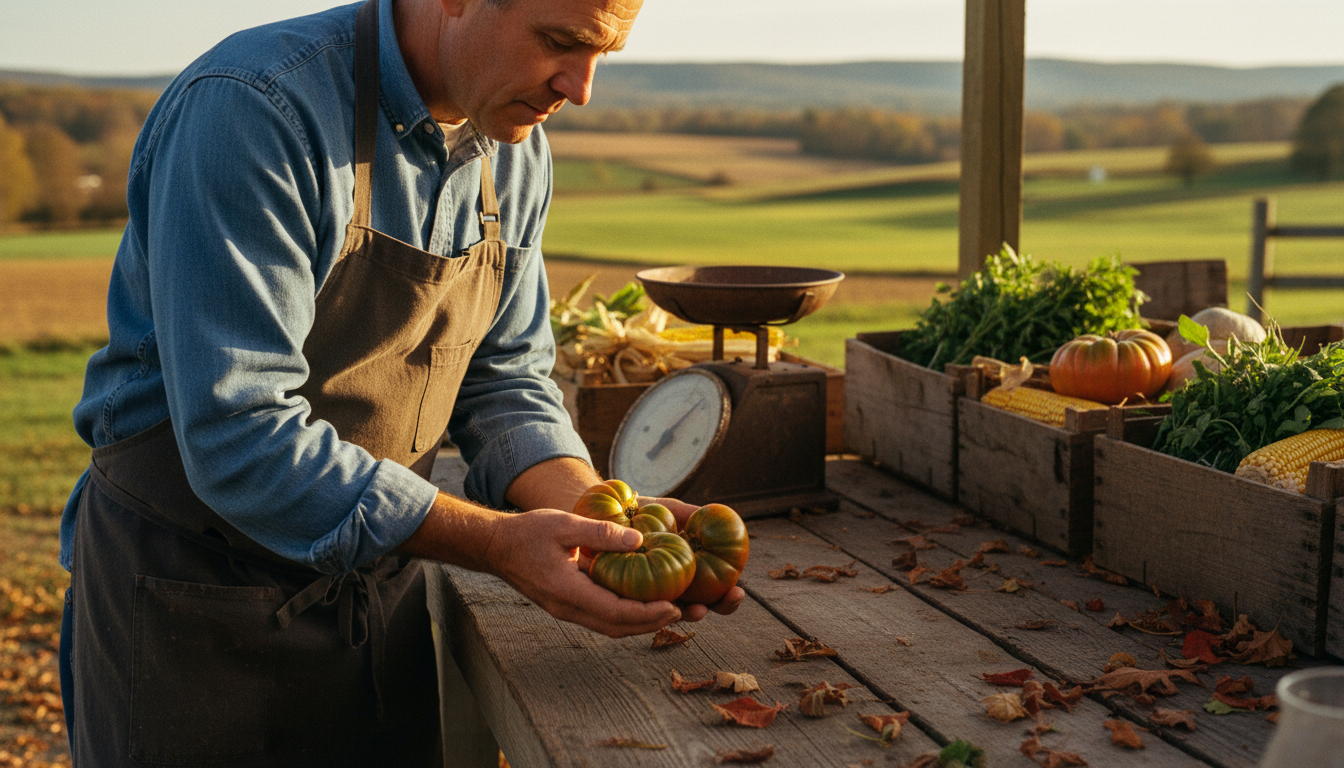
I drive across New York State for ingredients. If I discover a cheese, a vinegar, or a farm product that moves me, I bring it back to Aroma Thyme Bistro.
When I find something extraordinary while leading VIP Winery Vacations in Piedmont, Burgundy, or France, I track down the importer. I call them. I push. I do whatever it takes to bring that product into my Hudson Valley restaurant.
Not because it is trendy. Because I stood in the place where it was made.
Knowing Where Your Food Comes From
When I buy Parmigiano Reggiano, I have watched the milk arrive at dawn. I have seen the curd break. I have watched the wheels formed and salted. I have stood in the aging rooms.
Once you have seen that, you cannot serve it casually. You serve it with respect.
At Aroma Thyme Bistro, when we present Parmigiano Reggiano, we are not serving dairy. We are serving relationship. Walk into most Hudson Valley restaurants and ask the chef where the cheese came from. See what answer you get.
| Distributor Sourcing | Chef-Driven Sourcing (Koffmann Standard) |
|---|---|
| Order from a catalog | Visit the farm or producer in person |
| Price drives selection | Integrity drives selection |
| No relationship with the source | Know the farmer by name |
| Ingredients arrive in branded boxes | Ingredients arrive with a story |
| Cisco, US Foods, Restaurant Depot | Direct farms, tracked importers, personal visits |
At Aroma Thyme Bistro, we hold to the chef-driven standard:
- Grass-fed meats from farms I know by name
- Wild seafood selected for integrity, not price
- Additive-free sourcing across every supplier
- Hudson Valley farms with direct relationships built over two decades
- Wines from producers I have personally visited across six countries
The same discipline Koffmann applied to sourcing ducks across France, I apply to where my seafood comes from and why I reject certain ingredients entirely.
Why Farm-to-Table Is Not a Marketing Strategy
In today’s food world, farm-to-table is often reduced to signage.
Under Pierre Koffmann, it was identity. He knew the farmers. He knew the fishmongers. He knew Gascony. He drove for the ingredients.
The mentorship I received in that kitchen shaped everything behind Aroma Thyme Bistro. It became a farm to table philosophy built on proximity, not marketing. We do not chase trends. We chase connection.
What makes a farm to table chef is not the sign on the wall. It is the miles on the odometer. The handshakes at the farm gate. Standing in an aging room at dawn, watching milk become cheese.
Before farm-to-table was a buzzword, it was mentorship. Before Chef Marcus Guiliano became known for sourcing, wine travel, and additive-free advocacy, I was a young cook watching a three Michelin star chef drive across countries for ducks.
That changes you.
And it built the foundation of who I am today.
Read Fundamentals Over Flash: What Three Michelin Star Training Under Pierre Koffmann Taught Me About Real Food for the full story of how Koffmann’s kitchen shaped my approach to cooking.