






The dangers of artificial sweeteners hit me in 1999, right in the kitchen.
I read every label that came through the door. Not just diet soda. Not just condiments. Everything.
That kitchen eventually became my very own Aroma Thyme Bistro in 2003, one of the Hudson Valley’s top farm-to-table restaurants. Back then, I picked up a bottle of soy based sauce and found sweeteners I could not identify.
They were in sauces. In protein bars. In pickled ginger at sushi spots. In flavored vodkas. In pre-made cocktails. In the medicine cabinet.
I cut them out for good that day.
I have not touched artificial sweeteners in over 25 years. I have never served them at my restaurant. After writing hundreds of recipes in Gary Null’s books and being named a Top 5 Food Activist by One Green Planet, I can say this: calling artificial sweeteners unhealthy is not panic. It is what I have seen with my own eyes.
The dangers of artificial sweeteners go beyond what they do to your body. The real problem is where they hide.
Are Artificial Sweeteners Bad for You?
Let me be direct. These sweeteners are not poisons at typical doses. The U.S. Food and Drug Administration and the World Health Organization still call them safe within daily limits.
But safe does not mean good for you.
Studies of real people link high intake of artificial sweeteners in drinks with higher rates of obesity, type 2 diabetes, high blood pressure, heart disease, and early death. These links hold after adjusting for body weight.
The NutriNet-Santé study (about 100,000 people) found higher sweetener intake tracked with more heart and stroke events. Aspartame, acesulfame-K, and sucralose showed the strongest links.
In 2023, the IARC classified aspartame as “possibly cancer-causing to humans” (Group 2B). Not proven. But not nothing.
These sweeteners can also change gut bacteria. This may cause blood sugar problems. The dangers of artificial sweeteners touch five areas: your weight, your heart, cancer risk, gut health, and taste dependency.
When population studies, lab work, and gut science all point the same way, caution makes sense. The dangers of artificial sweeteners are not just about one risk. They span your whole body.
The 6 Names You Need to Know
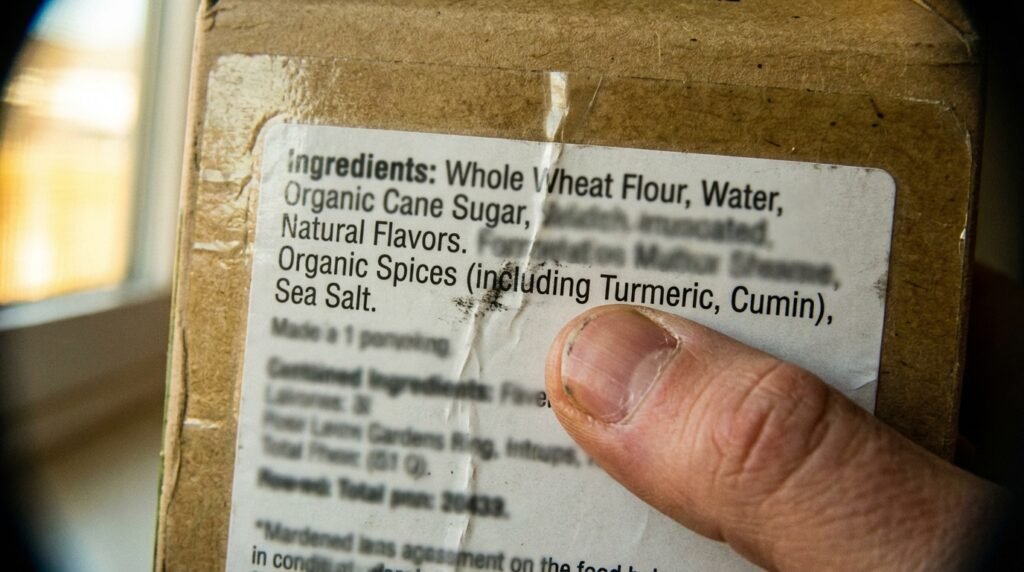
To avoid artificial sweeteners, spot them on a label. They do not always stand out.
- Aspartame: Equal, NutraSweet. In most diet sodas and sugar-free gum.
- Sucralose: Splenda. A chlorinated sugar in “zero sugar” products.
- Acesulfame potassium (ace-K): often paired with sucralose.
- Saccharin: Sweet’N Low. The oldest one still in use.
- Neotame: 7,000 to 13,000 times sweeter than sugar.
- Advantame: the newest FDA-approved option. Used in tiny amounts.
If you see “contains a source of phenylalanine,” aspartame is in the product.
Any of these six names on an ingredient panel means you are looking at an artificial sweetener. The front of the package does not matter.
Where Do Artificial Sweeteners Hide in Everyday Foods?
These sweeteners sit inside foods most people think are safe. The artificial sweeteners side effects start with the fact that you do not even know you are eating them.
Here is what 25 years of label reading taught me:
- Pickled ginger: most sushi restaurant ginger has artificial sweeteners. Retail too.
- Puddings, pie fillings, jelly, donuts, pastry sauce mixes, and pastries.
- Nutrition bars: “high protein” and “low sugar” bars mix sugar alcohols with sucralose or ace-K.
- Hot chocolate powders: “sugar-free” versions almost always have sucralose.
- Fruits and vegetables in vinegar, brine, or alcohol.
- Fruit and vegetable spreads: “no sugar added” jams often use sucralose or ace-K.
- Fruit and vegetable juice products: “50% less sugar” drinks often have aspartame.
- Coffee drinks with flavoring syrups: that vanilla latte syrup may have sucralose.
- Drugs and supplements: chewable vitamins, cough syrups, and liquid meds use artificial sweeteners as flavoring. Nobody checks this one.
Drinks, Tabletops, and “Health” Foods
Zero Gatorade, Powerade Zero, and most “zero sugar” sports drinks use sucralose and ace-K. Sprite Zero, Diet Coke, Pepsi Max: all of them. Artificial sweeteners in drinks are the most visible delivery system on the planet. People drink them daily thinking they made the better choice.
Equal, NutraSweet, Splenda, Sweet’N Low sit on every restaurant table. People stop seeing them as a choice.
“Light” yogurts use sucralose plus ace-K. “Zero sugar” cereals, protein powders, “keto” breads, sugar-free condiments: if it says “sugar-free,” read the back.
When we say it is everywhere, it really is EVERYWHERE. You must read labels.
Hidden sources: pickled ginger, flavored vodkas, pre-made cocktails, hot chocolate, nutrition bars, drugs, "light" yogurts, protein powders, sugar-free condiments, preserved fruits, juice products, coffee syrups, pie fillings, pastries, and "keto" breads. If the front says "zero sugar" or "light," flip it over.
Artificial Sweeteners in Cocktails and Alcohol
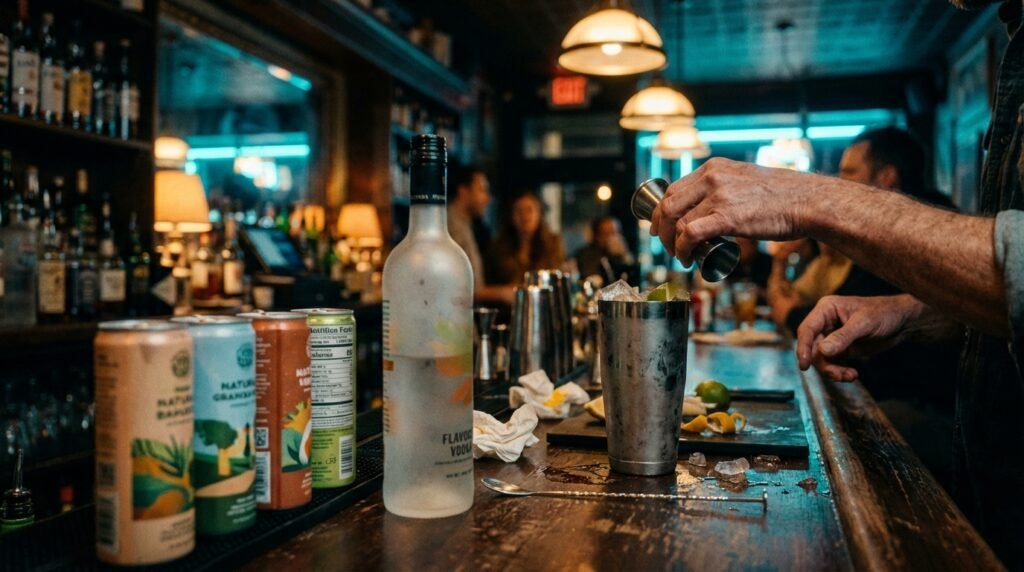
The alcohol space is the new frontier. Anywhere you see “zero sugar” or “low carb,” assume a sweetener until the label proves otherwise.
- Hard seltzers: many brands use sucralose and ace-K. Check every can.
- Pre-made RTD cocktails: “zero sugar” vodka sodas often have sucralose.
- Flavored vodkas: even Żubrówka (the bottle with the grass blade) can have them.
- Tequila brands: as the founder of DOC Agave, I know many brands use an additive loophole. Up to 1% of additives can go in without disclosure.
- Hard lemonades and hard iced teas: often use sucralose or ace-K quietly.
Safe picks: spirit + fresh citrus + real sugar or honey. Dry wine. Neat spirits. For tequila, use Tequila Matchmaker to check for additive-free brands.
The Real Dangers of Artificial Sweeteners Over Time
The side effects of artificial sweeteners build up over years. Here is what the research shows.
Weight and Blood Sugar
Higher intake tracks with more obesity and type 2 diabetes, not less. Strong sweetness without calories keeps your taste tuned to hyper-sweet flavors. Your brain expects energy with sweetness. When it does not come, hunger signals break down.
Heart Risk
The NutriNet-Santé study linked sweetener intake with higher heart disease and stroke risk. A review of many studies found the same: higher heart disease rates, high blood pressure, and early death.
Cancer Signals
Aspartame breaks down into methanol. The body turns it into formaldehyde, a cancer-causing agent. Animal studies show tumor increases near current daily limits.
Sucralose is a chlorinated sugar. Its breakdown product shows DNA-damaging effects. Heating it in baking can create toxic byproducts.
Gut Health
Artificial sweeteners change gut bacteria. This can cause blood sugar problems. The gut plays a central role in immune and brain health. Daily disruption is a real concern.
The science is not settled, but the signs all point one way. The dangers of artificial sweeteners touch your weight, heart, cancer risk, and gut. Daily limits from regulators do not mean "good for you."
What Happens When You Quit
When you remove artificial tastes, your taste resets.
Your system has to relearn what real flavor feels like. At first, things seem less sweet.
Then something shifts. Fruit tastes alive. Wine shows its character. Coffee gains depth.
I have visited more than 350 wineries across six countries. You cannot appreciate real flavor if your sweetness baseline is always high.
Part of being a Chef on a Mission is helping people find real food again. Artificial sweeteners trigger reward responses in the brain. They take over your taste. When you step away, you gain range.
The Line We Draw at Aroma Thyme Bistro
We do not serve artificial sweeteners. We never have.
Guests sometimes ask for sugar-free desserts. We offer lower glycemic options: molasses, agave, palm sugar, rice syrup, stevia.
But we do not use lab-made sweetness. It is not real food. Real food has always been our foundation.
If you cannot source it on its own, it does not belong in your kitchen. I would not stock acesulfame potassium next to my salt. So why accept it hidden inside another product?
This is why I never cooked with Coca-Cola and why I insist on knowing the exact species of every fish I serve. Openness is not a trend. It is a standard.
How to Read Labels
After 25 years, here is my system.
If you see “zero sugar,” “sugar-free,” “light,” “keto,” or “diet” on the front, flip it over. Read the ingredient panel.
Look for six names: aspartame, sucralose, ace-K, saccharin, neotame, advantame. “Contains a source of phenylalanine” means aspartame.
At bars, ask: “Is this sweetened with sucralose?” Default to spirit, citrus, and real sweetener.
At the store, assume artificial until proven otherwise. Read every label. It takes five seconds. Those five seconds add up to decades of better choices. The dangers of artificial sweeteners only stay hidden if you stop reading.
My Bottom Line
Artificial sweeteners are not instant toxins.
But after 25 years in kitchens, writing recipes in Gary Null’s books, and building one of the Hudson Valley’s top farm-to-table restaurants, I made my choice long ago.
I do not consume them. I do not serve them.
Not out of fear. Out of principle. The dangers of artificial sweeteners are real, and avoiding them starts with reading one label.
Lower the sweetness. Reset your taste. Choose real ingredients.
Your body does not need to be tricked. It needs to be fed.
Chef on a Mission
Marcus Guiliano
Chef-Owner, Aroma Thyme Bistro
Frequently Asked Questions
Which artificial sweeteners carry the most concern?
Aspartame and sucralose raise the most red flags. The IARC classified aspartame as “possibly cancer-causing” in 2023. The body turns it into formaldehyde. Sucralose breakdown products show DNA-damaging effects. Heating it creates toxic byproducts. All six FDA-approved sweeteners call for caution.
How do I know if a product has artificial sweeteners?
Read the ingredient panel. Look for aspartame, sucralose, ace-K, saccharin, neotame, and advantame. “Contains a source of phenylalanine” means aspartame. Any “zero sugar,” “sugar-free,” or “keto” product needs checking.
Are there safe alternatives?
Try small amounts of molasses, agave, palm sugar, rice syrup, stevia, or monk fruit. The goal is not to swap one sweetness for another. It is to lower your baseline and let your taste reset.
Do artificial sweeteners affect gut health?
Yes. Studies show they change gut bacteria. These changes link to blood sugar problems. The gut plays a central role in immune and brain health. Daily disruption is a concern.