





We often reach for dried fruit thinking it’s the healthy choice — nature’s candy, a handful of goodness to sweeten the day. But take a closer look at the label, and you’ll find something that doesn’t belong there: added sulfites.
What Are Sulfites?
Sulfites (most commonly listed as sulfur dioxide, sodium bisulfite, or potassium metabisulfite) are chemical preservatives used to prevent browning and extend shelf life. In other words, they’re there to make food look “fresh” long after nature intended it to change.
They’re widely used in dried fruits — especially apricots, raisins, apples, mangos, and tomatoes — as well as in wines, condiments, and even some frozen or canned products.
While sulfites are legal and considered “safe” in small amounts, they can cause significant reactions in sensitive individuals, and even in those who aren’t allergic, they represent a deeper problem: the illusion of freshness over food integrity.
Why It Matters
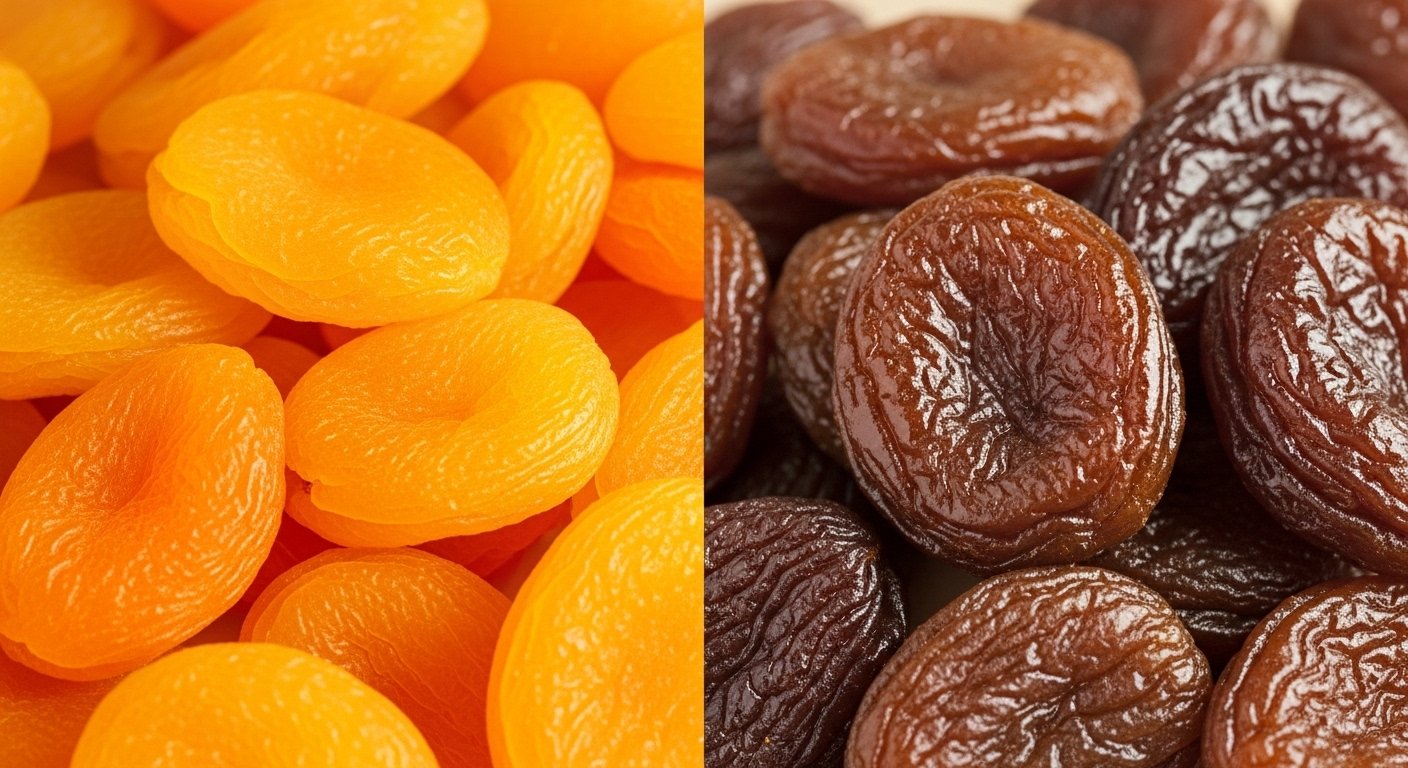
Think about the dried apricots in most supermarkets — that neon orange color isn’t natural. True, unsulfured apricots are brown, caramel-toned, and slightly sticky — because they’ve simply been dried, not chemically stabilized.
The bright orange color comes from sulfur dioxide gas, which bleaches and preserves the fruit’s pigments. The trade-off?
- Nutrient degradation (especially Vitamin B1)
- Digestive irritation for sensitive individuals
- Respiratory reactions in asthmatics
- Hidden industrial additives in what should be a pure product
At Aroma Thyme Bistro, we believe your body recognizes real food, not lab-assisted shelf life.
The Body Doesn’t Lie
Sulfites have been linked to headaches, breathing difficulties, hives, and gut inflammation in susceptible people. For decades, voices like Michael Pollan and Gary Null have reminded us that when modern food chemistry outpaces common sense, it’s the consumer who pays the price.
Gary Null often points to cumulative chemical exposure — how even microdoses of preservatives, colorants, and stabilizers can build up over time and interfere with the gut microbiome, liver detox pathways, and overall vitality. Michael Pollan reminds us simply: “Don’t eat anything your great-grandmother wouldn’t recognize as food.”
Nature Gave Us the Real Thing
A sun-dried tomato should taste like tomato, not sulfur. Its deep red hue, chewy texture, and rich umami are what make it special. When sulfites are added, you lose that honest flavor and instead get an acidic, metallic note masking what the tomato was meant to be.
The same goes for dried apricots, figs, or mangos — their natural sweetness comes from slow dehydration, not chemical trickery. Once you’ve tasted real, unsulfured dried fruit, you’ll never go back.
How to Avoid Added Sulfites
- Read Labels Carefully: Look for “no sulfites added” or “unsulfured.”
- Buy Organic: Certified organic dried fruit generally cannot contain added sulfites.
- Shop Smart: Natural food stores and artisan producers often sun-dry or low-temperature-dry fruit naturally.
- DIY: If you have a dehydrator or oven with a low setting, make your own — pure fruit, nothing else.
- Taste Test: Real dried fruit may look duller but tastes alive.
Our Approach at Aroma Thyme
We source unsulfured, naturally dried tomatoes and fruits for our kitchen. Every ingredient has to earn its place — not with color or convenience, but with flavor and integrity.
Because when you cook and eat with honesty, you don’t just feed the body — you nourish the conscience.
The Takeaway
It’s not about fear; it’s about awareness. The more we understand what goes into our food, the more empowered we become. Skip the shortcuts. Embrace imperfection. Choose the brown apricot, the darker tomato — because real food doesn’t need to pretend.